


OpenClaw AI Automation: Advanced AI Agent Orchestration and Custom Workflow Scaling (Part 8)
March 11, 2026
OpenClaw AI Automation: Advanced AI Agent Orchestration and Custom Workflow Scaling (Part 8)
March 12, 2026Introduction to Advanced AI Agent Orchestration
As businesses grow and automation needs become more complex, managing multiple AI agents within OpenClaw requires sophisticated orchestration strategies. Part 8 of our OpenClaw series focuses on advanced techniques to coordinate AI agents effectively, optimize workflows at scale, and ensure smooth integration within WordPress and hosting environments.
Why Orchestrate Multiple AI Agents?
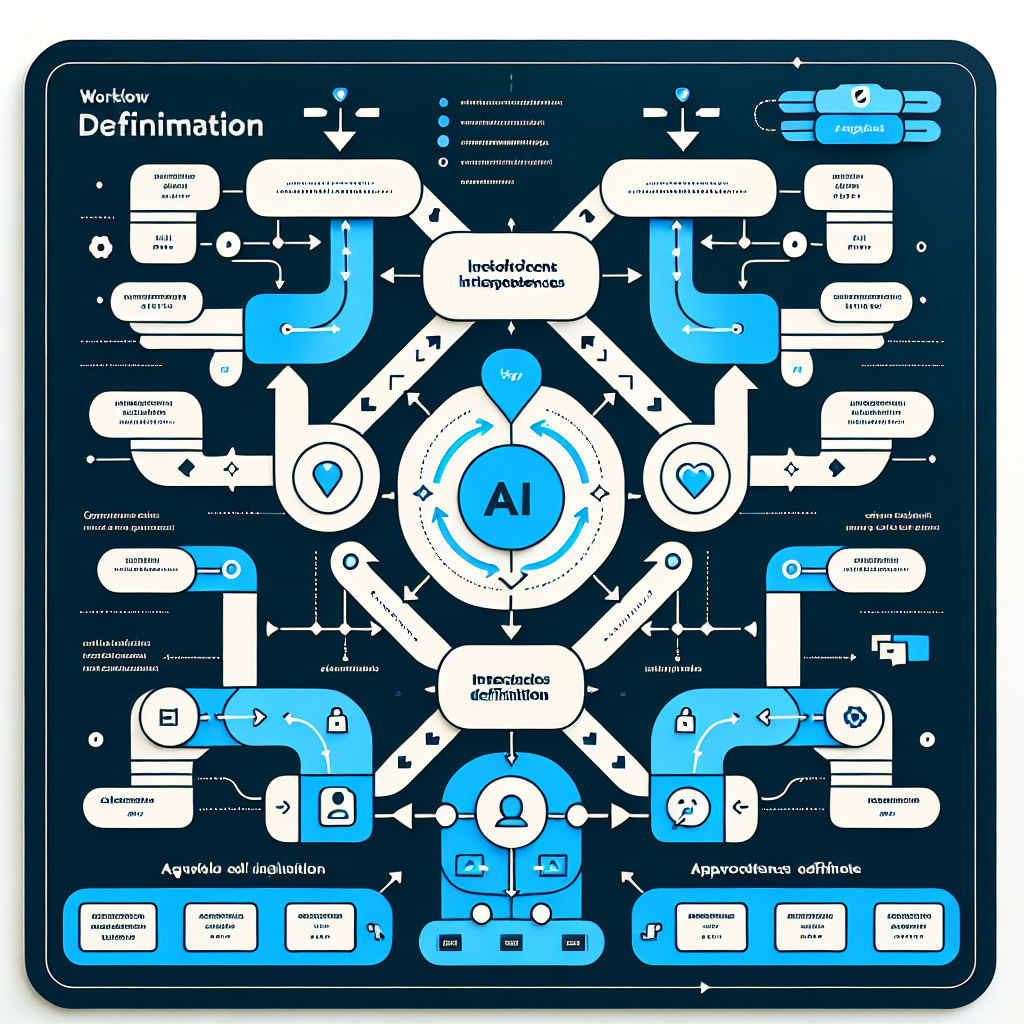
Orchestration refers to the automated coordination and management of multiple AI agents working together to achieve business objectives. Unlike simple task automation, orchestration handles dependencies, parallel processes, and dynamic decision-making across agents.
For example, a WordPress business may use AI agents for customer support, content creation, security monitoring, and server management. Orchestrating these agents allows workflows like:
- Customer support agent escalates a technical issue to a server management agent automatically.
- Content creation agent adjusts publishing schedules based on analytics data gathered by another AI agent.
- Security agent triggers incident response workflows involving multiple AI agents.
Core Components of OpenClaw AI Agent Orchestration
Effective orchestration requires attention to several key components:
- Workflow Definition and Dependency Mapping: Define tasks and their dependencies clearly across agents.
- Communication Protocols: Establish reliable message passing and event handling mechanisms.
- State Management: Keep track of workflow progress and agent states for synchronization.
- Scalability: Ensure the system can handle increasing agent numbers and task volumes.
- Error Handling and Recovery: Implement mechanisms to detect failures and retry or reroute tasks.
Implementing Advanced Orchestration in OpenClaw
1. Workflow Definition Language (WDL)
OpenClaw supports defining complex workflows using a JSON or YAML-based Workflow Definition Language. This allows you to specify:
- Tasks assigned to specific AI agents
- Execution order and parallelism
- Conditional branching based on agent outputs
- Timeouts and retries
Example snippet (YAML):
workflow:
  - id: collect_customer_query
    agent: support_agent
    action: gather_query
  - id: analyze_query
    agent: nlp_agent
    action: analyze_intent
    depends_on: collect_customer_query
  - id: escalate_issue
    agent: server_agent
    action: check_server_status
    depends_on: analyze_query
    condition: "analyze_query.intent == 'server_issue'"
  - id: respond_customer
    agent: support_agent
    action: send_response
    depends_on: [analyze_query, escalate_issue]
2. Agent Communication and Messaging
OpenClaw agents communicate through a message bus architecture, supporting asynchronous event-driven messaging. Implementing a robust messaging layer enables agents to publish events and subscribe to relevant workflows or triggers.
Example Implementation: Using MQTT or RabbitMQ as a message broker allows agents to exchange JSON payloads. An agent detecting a server fault publishes an event {"event": "server_down", "details": {...}}. Other agents subscribed to this event react accordingly.
3. State and Context Management
To coordinate workflows across agents, maintaining state and context is critical. OpenClaw uses a centralized state store, typically a Redis or database backend, to track task statuses, results, and metadata.
This state management enables:
- Agents to pick up workflows after interruptions
- Conditional logic based on previous results
- Audit trails for compliance and debugging
Scaling Custom Workflows with OpenClaw
Scaling workflows involves both horizontal scaling of AI agents and efficient orchestration to handle larger volumes and complexity.
1. Horizontal Scaling of Agents
Deploy multiple instances of AI agents behind load balancers or container orchestration platforms like Kubernetes. OpenClaw supports containerization to simplify scaling.
Use Case: A customer support AI agent handling thousands of chat sessions can scale horizontally by running multiple instances, each processing a portion of the workload.
2. Dynamic Workflow Allocation
Implement dynamic task assignment based on agent availability and workload metrics. OpenClaw’s orchestration engine can monitor agent health and distribute tasks optimally.
3. Performance Optimization Strategies
- Caching: Cache frequent data queries to reduce latency.
- Batch Processing: Group similar tasks for bulk processing where possible.
- Prioritization: Assign priorities to workflows to ensure critical tasks receive resources first.
Practical Example: Orchestrating a WordPress Site Incident Response Workflow
Consider a scenario where OpenClaw orchestrates AI agents to handle WordPress site incidents:
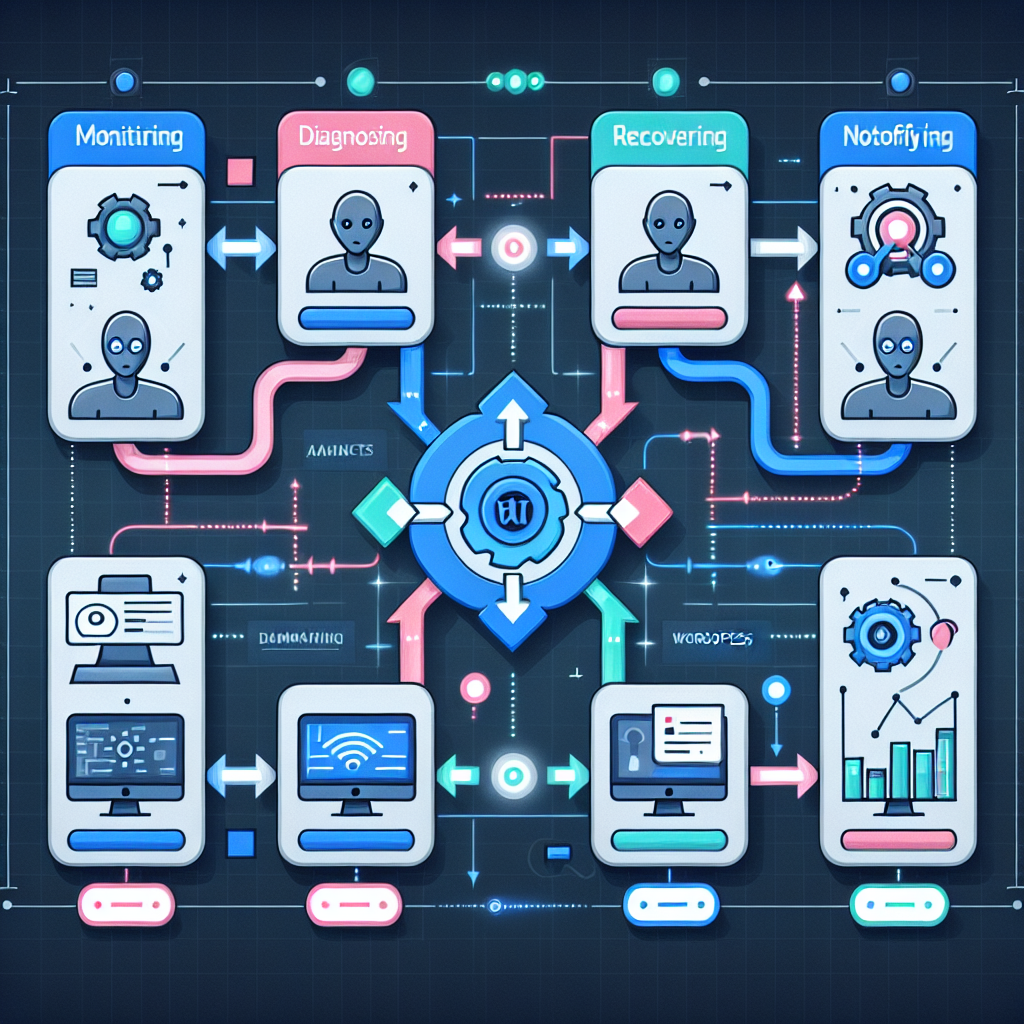
- Monitoring Agent: Continuously monitors uptime and performance metrics.
- Diagnosis Agent: Analyzes logs and identifies root causes.
- Recovery Agent: Executes fixes like plugin restarts or configuration rollbacks.
- Notification Agent: Sends alerts and status updates to site owners via WhatsApp or email.
The orchestration workflow ensures that when a downtime event is detected, the diagnosis agent automatically processes the logs, the recovery agent applies fixes without manual intervention, and the notification agent keeps stakeholders informed.
Workflow Sequence Diagram

Best Practices for Managing Complex OpenClaw Workflows
- Modular Design: Break workflows into reusable sub-workflows or microservices.
- Monitoring and Logging: Implement centralized logging for troubleshooting and performance analysis.
- Version Control: Maintain versioned workflow definitions for rollback and audit purposes.
- Security: Secure communication channels and validate inputs to prevent injection attacks.
Conclusion
Advanced orchestration and scaling of OpenClaw AI agents unlock powerful automation capabilities for WordPress businesses and beyond. By designing clear workflows, enabling robust inter-agent communication, managing state effectively, and scaling horizontally, organizations can automate complex processes with confidence.
Implementing these advanced strategies ensures your AI automation system remains resilient, flexible, and capable of meeting evolving business demands.