


OpenClaw AI Automation: Advanced AI-Driven Automated WordPress Content Moderation and Compliance Workflows (Part 79)
April 24, 2026
OpenClaw AI Automation: Implementing AI-Driven Automated WordPress Performance Monitoring and Real-Time Optimization Workflows (Part 81)
April 25, 2026Introduction
As WordPress sites grow in complexity and traffic, maintaining optimal performance and scalability becomes crucial to business success. In this installment of the OpenClaw AI Automation series, we dive into practical methods to enhance WordPress hosting environments and workflows through AI-driven automation. Building on prior discussions around security, backups, and plugin management, this article focuses on leveraging OpenClaw AI agents to dynamically optimize performance and prepare your site for varying traffic loads.

Why Performance and Scalability Matter
Slow-loading websites frustrate users and damage SEO rankings. Scalability ensures your site can handle traffic spikes without downtime or degraded experience. Businesses require automation solutions that anticipate and resolve performance issues proactively rather than reacting after problems occur.
Key Concepts in AI-Driven Performance and Scalability
- Dynamic Resource Allocation: Automatically adjusting server resources based on real-time demand.
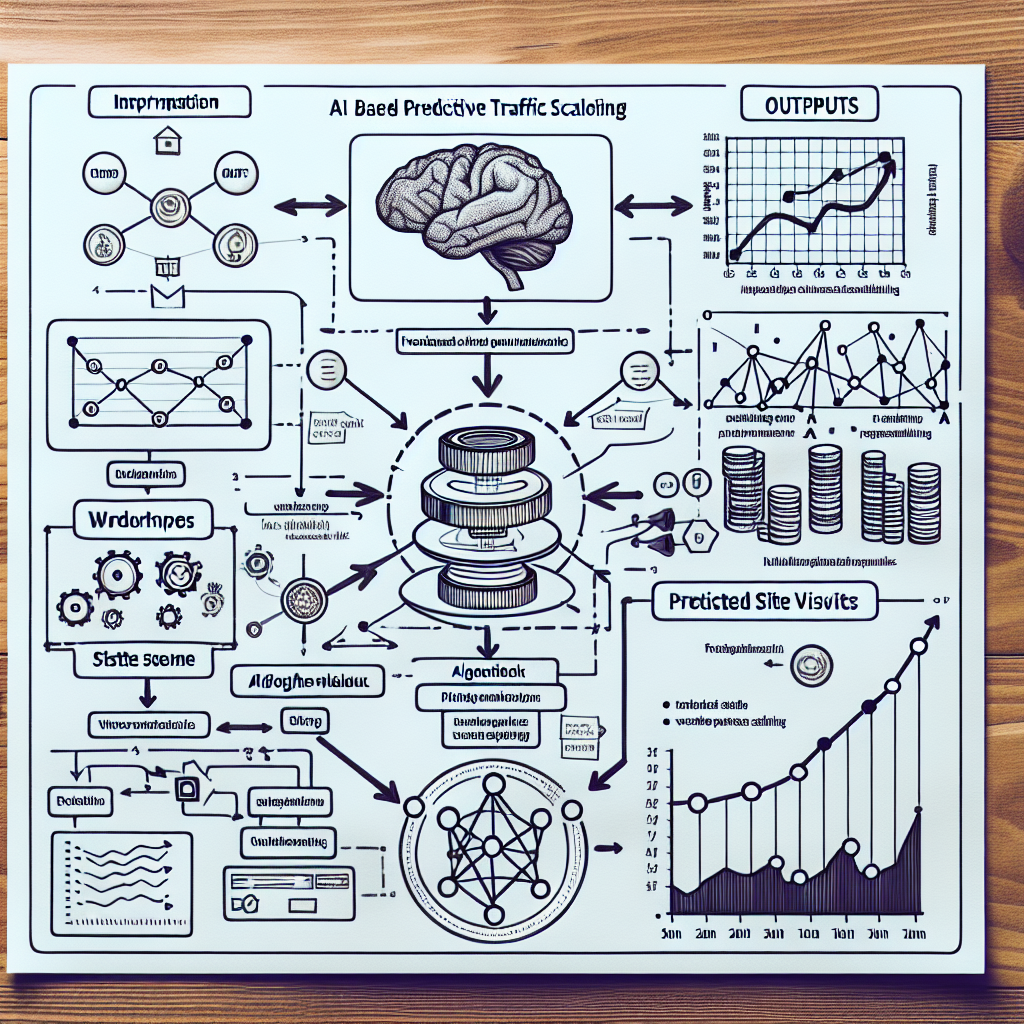
- Predictive Scaling: Using AI to forecast traffic surges and preemptively scale infrastructure.
- Bottleneck Detection: Identifying and resolving slow database queries, heavy plugins, or caching inefficiencies.
- Load Balancing Automation: Distributing traffic evenly across servers using AI for optimal throughput.
Implementing Dynamic Resource Allocation with OpenClaw
OpenClaw AI agents can monitor server metrics such as CPU usage, memory, response times, and active connections. When thresholds are exceeded, agents trigger automated workflows to allocate additional resources or optimize existing ones.
Step-by-Step Example
- Monitor Metrics: Configure OpenClaw agents to collect data via server APIs or WordPress performance plugins.
- Define Thresholds: Set alert levels for CPU utilization (>70%), memory usage (>75%), or page load times (>2 seconds).
- Trigger Actions: When thresholds are crossed, OpenClaw invokes defined workflows such as increasing PHP workers, clearing cache, or spinning up additional VPS instances.
- Validate Outcomes: Agents reassess metrics post-action to confirm performance improvements.
This approach reduces manual intervention and sustains site responsiveness even during unexpected demand spikes.
Predictive Scaling Using AI Forecasting Models
Beyond reactive scaling, OpenClaw can integrate with AI models trained on historical traffic data (Google Analytics, server logs) to anticipate high-load periods. Predictive insights enable preemptive scaling, such as provisioning more database replicas or upgrading bandwidth before traffic surges occur.
Technical Implementation
- Collect historical site traffic and performance data.
- Train time-series forecasting models (ARIMA, LSTM) or use OpenClaw’s AI modules for pattern recognition.
- Schedule OpenClaw agents to run forecasts daily and adjust resources accordingly.
- Implement rollback strategies if predicted surges do not materialize to save costs.
This predictive workflow is invaluable for seasonal businesses, product launches, and marketing campaigns.
Bottleneck Detection and Automated Remediation
Performance bottlenecks often arise from inefficient database queries, poorly coded plugins, or stalled caching mechanisms. OpenClaw AI agents can analyze logs and query performance metrics to pinpoint problematic components.
Workflow Example
- Data Gathering: Collect slow query logs, PHP error logs, and plugin performance stats.
- Analysis: Use AI agents to classify issues by severity and frequency.
- Automated Actions: Disable or update plugins causing slowdowns, optimize database indices, or clear and rebuild caches.
- Notification: Alert administrators with detailed diagnostics and actions taken.
Regular execution of this workflow ensures continuous performance optimization without manual audits.
Automating Load Balancing for Scalable WordPress Deployments
For enterprise-level WordPress sites running on multiple servers or containers, load balancing is critical. OpenClaw AI agents can monitor traffic patterns and server health to dynamically adjust load balancer configurations.
Practical Integration
- Connect OpenClaw to load balancer APIs (e.g., HAProxy, NGINX, AWS ELB).
- Continuously monitor backend server response times and error rates.
- Automatically route traffic away from degraded servers or scale new instances into the pool.
- Implement canary deployments and blue-green switching with AI oversight.
This automation reduces downtime and ensures consistent user experience during scaling operations.
Case Study: Scaling a WooCommerce Store with OpenClaw AI Automation
A mid-sized WooCommerce store experienced frequent slowdowns during flash sales. By implementing OpenClaw AI automation workflows:
- Dynamic resource scaling was set up to increase PHP-FPM workers and memory allocation during sales.
- Predictive AI models forecasted sale peaks based on historical data, triggering pre-sale scaling.
- Bottleneck detection identified a third-party plugin causing database locks, which was automatically disabled during peak hours.
- Load balancer adjustments routed traffic efficiently across two VPS hosts.
The result was a 40% improvement in page load times and zero downtime during high traffic events.
Best Practices for Maintaining Performance with OpenClaw
- Continuous Monitoring: Ensure OpenClaw AI agents have access to comprehensive metrics and logs.
- Customize Thresholds: Set thresholds appropriate for your site’s scale and traffic patterns.
- Regularly Update AI Models: Retrain predictive models with fresh data to maintain accuracy.
- Test Automated Actions: Validate workflows in staging environments before live deployment.
- Maintain Clear Notifications: Keep stakeholders informed with actionable alerts and reports.
Conclusion
OpenClaw AI automation offers powerful tools to keep WordPress sites performant and scalable through intelligent, automated workflows. By embracing dynamic resource allocation, predictive scaling, bottleneck detection, and automated load balancing, business owners and technical operators can ensure exceptional user experiences even during peak demand. The integration of AI-driven automation into WordPress hosting management is not only a competitive advantage but a necessity for modern digital businesses.
In the next part of this series, we will explore OpenClaw AI automation techniques for advanced WordPress multilingual SEO optimization and international performance tuning.