


OpenClaw AI Automation: Advanced AI-Driven Automated WordPress SEO Optimization and Content Strategy (Part 47)
April 6, 2026
OpenClaw AI Automation: Implementing AI-Driven Automated WordPress E-Commerce Optimization and Conversion Enhancement (Part 49)
April 7, 2026Introduction to AI-Driven Content Personalization in WordPress
Personalization has become a cornerstone of effective digital experiences. Leveraging OpenClaw AI automation to deliver tailored content dynamically can drastically improve user engagement, retention, and conversion rates on WordPress websites. This part of the series delves into advanced techniques for designing intelligent, AI-powered personalization workflows that seamlessly integrate with WordPress.
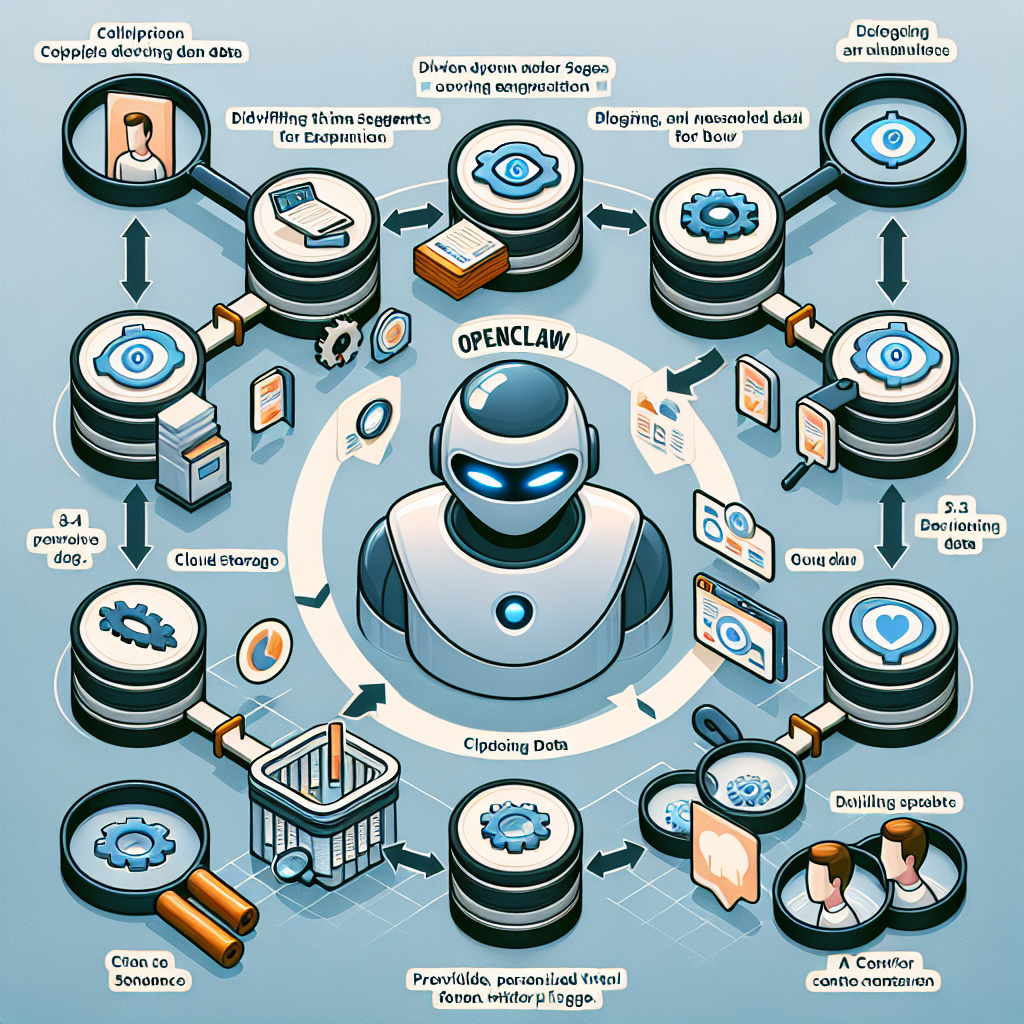
Why Personalization Matters for Small Businesses and Entrepreneurs
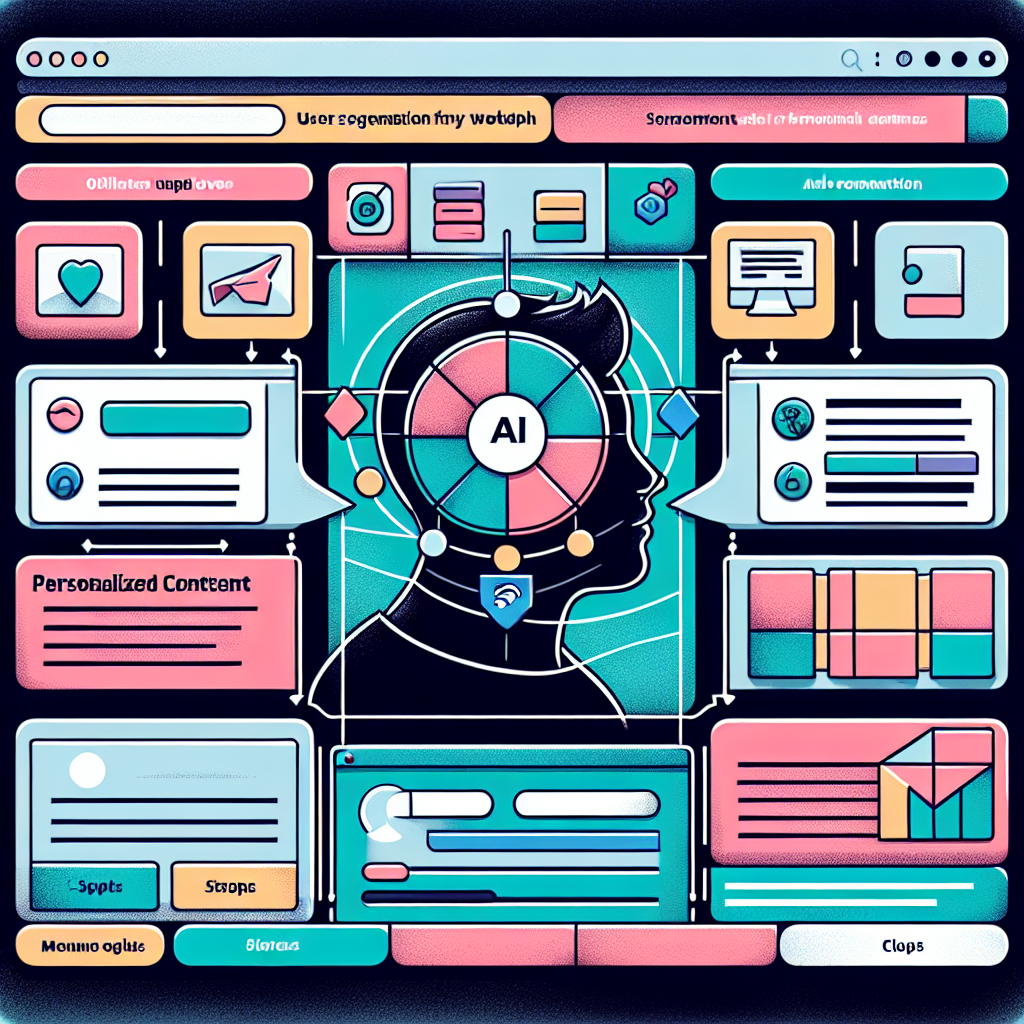
Visitors increasingly expect websites to recognize their preferences and behave accordingly. Generic content often leads to higher bounce rates and missed opportunities. By delivering contextually relevant content, offers, and recommendations, businesses foster stronger connections with their audience, ultimately driving revenue and loyalty.
Core Components of AI-Powered Personalization with OpenClaw
- User Data Collection and Profiling: Gathering behavioral, demographic, and contextual data to build rich user profiles.
- AI Agent Analysis and Decision-Making: Utilizing machine learning models to segment users, predict preferences, and determine optimal content.
- Dynamic Content Delivery: Serving tailored content blocks, product recommendations, or offers based on AI insights.
- Continuous Learning and Feedback Loops: Refining personalization strategies by monitoring user interactions and updating AI models.
Implementing User Data Collection and Profiling
Effective personalization begins with comprehensive data capture. OpenClaw agents can automate the collection and management of user data within WordPress:
- Behavioral Data: Track page visits, clicks, time spent, and navigation paths using AI-enhanced analytics plugins or custom OpenClaw agents.
- Demographic Data: Integrate forms and CRM systems to retrieve or verify user demographics, preferences, and purchase history.
- Contextual Data: Capture location, device type, time of day, and referral sources to enrich user context.
OpenClaw agents can aggregate and sanitize this data to build dynamic profiles stored securely within WordPress custom tables or user metadata.
Practical Example: Creating a User Profile Agent
Develop an OpenClaw AI agent that listens for user interactions via WordPress hooks such as wp_footer or template_redirect. The agent queries visitor behavior and updates a profile object via REST API calls. This profile can include inferred interests like “technology,” “fitness,” or “local services.” The agent then flags new or updated profiles for downstream AI-driven content personalization.
AI Agent Analysis and Segmentation
Once profiles are established, specialized OpenClaw AI agents analyze and segment users to tailor content:
- Clustering Algorithms: Automatically group users by behavior patterns or preferences using k-means or hierarchical clustering models.
- Predictive Modeling: Use regression or classification models to predict user intent, such as likelihood to purchase or churn.
- Sentiment and Intent Analysis: Analyze customer feedback or chat interactions to enrich segmentation.
These AI insights inform the personalization rules that determine which content or offers to deliver.
Example: Multi-Agent Orchestration for Segmentation
Configure one OpenClaw agent to perform data preprocessing and feature extraction, feeding processed data to a second agent that executes clustering. A third agent may evaluate model outputs and update user tags or metadata in WordPress. This modular approach enhances scalability and maintainability.
Dynamic Content Delivery Mechanisms
Personalized content can be delivered dynamically through various WordPress features and OpenClaw integrations:
- Conditional Content Blocks: Use shortcode-based or Gutenberg block-level conditions triggered by user segments.
- Personalized Widgets and Sidebars: Display customized product recommendations, promotions, or articles.
- Customized Navigation and Calls to Action: Adjust menus and CTAs based on user journey stage or preferences.
- Adaptive Landing Pages: Automatically generate or modify landing pages with AI-driven content tailored to segments.
Implementation Detail: Intelligent Shortcode Example
Create a custom WordPress shortcode [openclaw_personalized_content] that queries the current user’s AI-generated segment and renders content accordingly. OpenClaw agents update the segment metadata asynchronously via the REST API, enabling near real-time personalization without page reloads.
Continuous Learning and Personalization Optimization
Personalization is not static. OpenClaw setups should incorporate feedback loops:
- Monitor Engagement Metrics: Track click-through rates, conversions, and session durations by segment.
- Automated A/B Testing: Deploy AI agents to run and analyze split tests on content variations.
- Model Retraining and Adaptation: Periodically retrain segmentation and prediction models with fresh data.
- Feedback Incorporation: Use explicit user feedback (surveys, ratings) to refine personalization rules.
Case Study: Personalized Product Recommendations for an E-Commerce Site
Consider a small online retailer using OpenClaw AI automation to personalize product recommendations:
- Data Collection Agent: Captures browsing history, purchase behavior, and wishlist additions.
- Segmentation Agent: Clusters users into interest groups like “outdoor gear” or “home office supplies.”
- Recommendation Agent: Selects relevant products dynamically and injects personalized widgets into product pages and sidebars.
- Optimization Agent: Runs A/B tests on recommendation algorithms and updates models weekly.
This setup led to a 25% increase in average order value and a 15% uplift in repeat visits within three months.
Technical Tips for Developers and Operators
- Use WordPress REST API Extensively: Facilitate communication between OpenClaw AI agents and WordPress core or plugins efficiently.
- Secure Data Handling: Ensure compliance with GDPR and other regulations when storing user profiles and behavioral data.
- Cache Personalization Results: To improve performance, cache segment results and content snippets, invalidating caches upon profile updates.
- Log and Monitor AI Decisions: Maintain logs of AI-driven personalization triggers for auditing and troubleshooting.
Future Outlook: AI-Powered UX Personalization Beyond Content
OpenClaw’s AI capabilities can extend personalization to UI elements such as layout adjustments, chatbot interactions, and even personalized notifications or emails. Combining cross-channel AI-driven personalization will further enhance the user journey and business outcomes.
Summary
Designing intelligent AI-driven WordPress content personalization using OpenClaw involves orchestrating multiple AI agents to collect data, analyze user profiles, deliver dynamic content, and continuously optimize personalization strategies. By implementing these advanced techniques, small business owners and technical operators can significantly improve user engagement, satisfaction, and conversion rates on their WordPress sites.