


OpenClaw AI Automation: Scaling and Optimizing AI Agents for Business Growth (Part 3)
March 9, 2026
OpenClaw AI Automation: Implementing Robust AI Monitoring and Incident Response for Business Continuity (Part 5)
March 10, 2026Introduction
Welcome to Part 4 of our comprehensive OpenClaw AI Automation series. Building on the foundational setup, advanced integration, customization, and scaling techniques discussed previously, this installment focuses on two critical pillars of sophisticated AI automation: data pipelines and workflow orchestration. These components enable businesses to create seamless, reliable, and intelligent automation that adapts dynamically to changing business contexts and scales gracefully with demand.
Why Data Pipelines Matter in OpenClaw AI Automation
At its core, OpenClaw leverages AI agents to automate repetitive tasks and customer interactions. However, the true power emerges when these agents can access, process, and react to timely, reliable data streams. Data pipelines ensure that raw data from various business sources—such as customer support tickets, website analytics, CRM databases, and social media feeds—is collected, transformed, and delivered in a structured manner for AI consumption.
Key Data Sources for OpenClaw Agents
- Customer Interaction Logs: Chat transcripts, email threads, and WhatsApp conversations provide context for AI support agents to personalize responses.
- Website and Transaction Data: Real-time metrics from WooCommerce sales, user behavior analytics, and form submissions can trigger automated workflows.
- Backend Systems: Inventory management, order fulfillment, and CRM systems supply vital operational data for cross-functional automation.
- External APIs: Integration with third-party services like payment gateways, shipping providers, and marketing platforms enriches automation capabilities.
Building Robust Data Pipelines
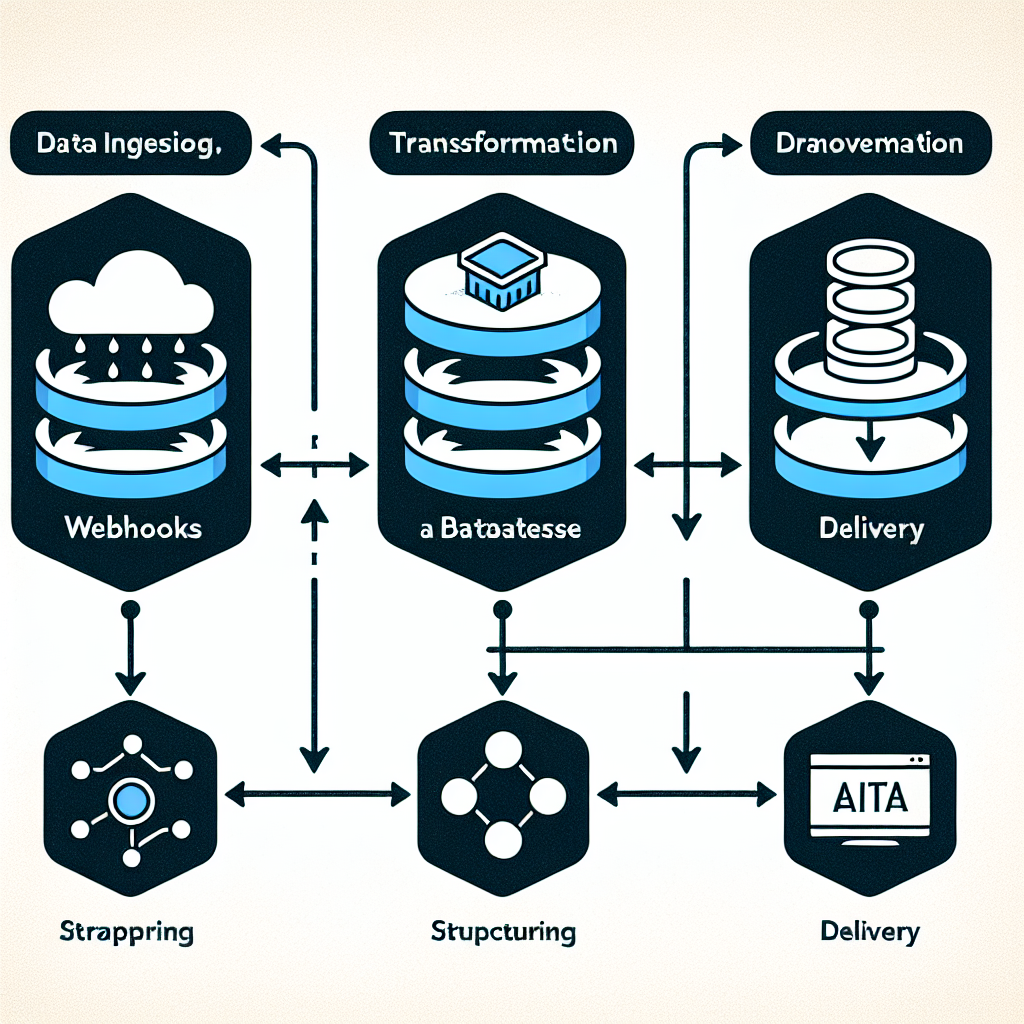
Effective data pipelines involve three fundamental stages:
- Data Ingestion: Collect data from diverse sources using connectors or API integrations. For instance, OpenClaw can connect to WordPress REST API endpoints or directly consume webhook payloads from WooCommerce events.
- Data Transformation: Normalize, filter, and enrich data to fit the AI agents’ input requirements. This might include parsing customer intents, cleaning noisy text, or aggregating sales data by region.
- Data Delivery: Route processed data to AI agents or storage layers like cloud databases or message queues, ensuring low latency and reliability.
For example, a small e-commerce business might set up a pipeline where new order notifications from WooCommerce trigger a webhook. This webhook initiates a transformation process that extracts customer details, order items, and shipping preferences, then forwards this structured data to an OpenClaw AI agent responsible for post-purchase customer engagement and upselling.
Workflow Orchestration: Automating Complex Business Processes
While individual AI agents excel at isolated tasks, real-world business automation requires coordinating multiple steps across diverse systems. Workflow orchestration frameworks manage these sequences, handling dependencies, error recovery, and conditional branching.
OpenClaw and Workflow Orchestration Tools
OpenClaw can integrate with popular workflow orchestrators such as Apache Airflow, n8n, or lightweight task queues like Celery. These tools enable the design of complex workflows that include AI agents as key process nodes.
Designing an AI-Driven Customer Support Workflow
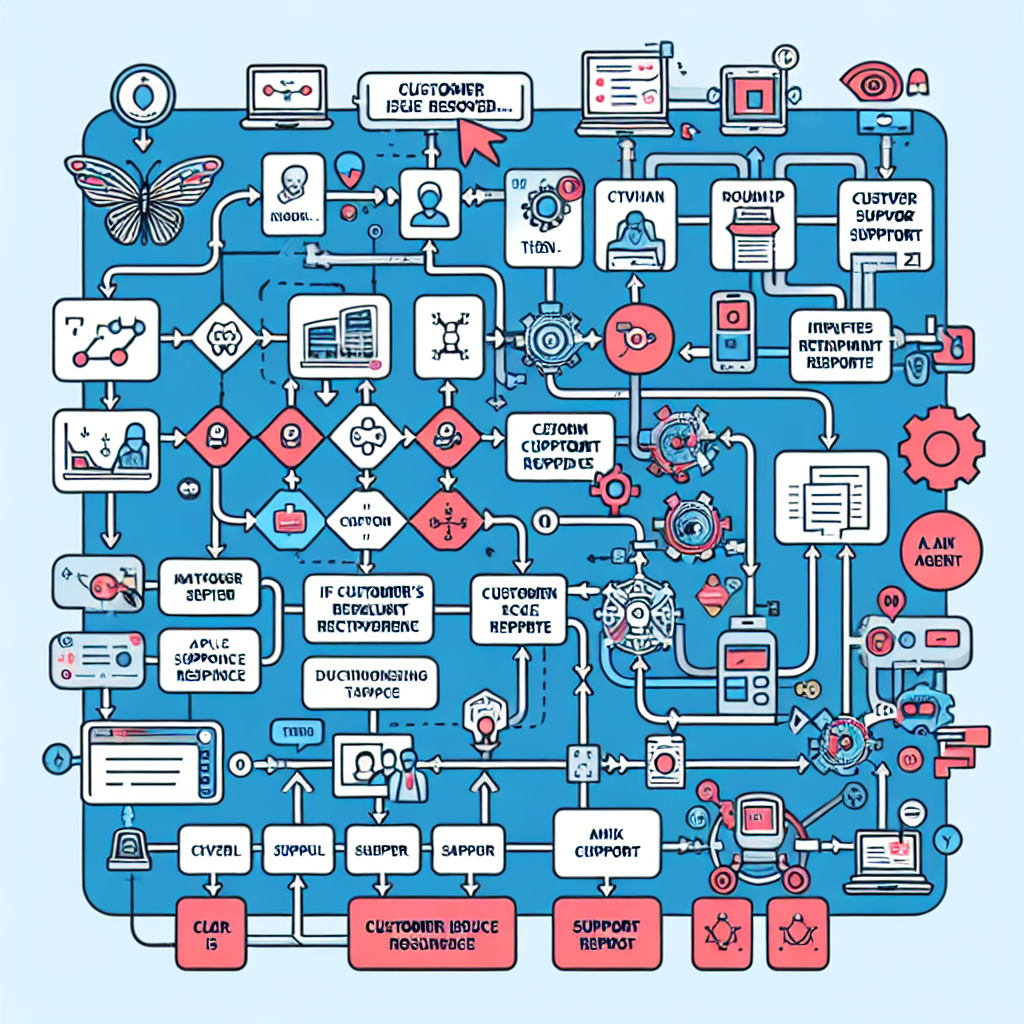
Consider a multi-step customer support automation workflow using OpenClaw:
- Step 1: Incoming customer query arrives via WhatsApp.
- Step 2: OpenClaw AI agent categorizes the query (billing, technical, general inquiry).
- Step 3: If technical, the workflow triggers a diagnostic script on the customer’s account.
- Step 4: The AI drafts a personalized response with troubleshooting steps or escalates to a human agent if complex.
- Step 5: After resolution, the workflow sends a satisfaction survey and updates CRM records.
Orchestrating this flow ensures that each task runs in order, conditional logic is respected, and failures (e.g., API timeouts) are handled gracefully with retries or alerts.
Implementing Workflow with n8n: A Practical Example
n8n is an open-source, low-code workflow automation tool ideal for small businesses. Here’s how to implement a snippet of the above customer support workflow:
- Trigger Node: Listen for WhatsApp messages via webhook.
- OpenClaw AI Node: Call the AI agent to classify the query.
- Switch Node: Branch based on classification result.
- Function Node: Run diagnostics script if technical support is needed.
- HTTP Request Node: Send response back to customer or escalate.
- CRM Update Node: Log interaction in CRM.
Such visual workflows empower business operators to automate without deep coding knowledge, while developers can extend functionality with custom nodes.
Optimizing Data Pipelines and Workflows for Performance and Reliability
Monitoring and Logging
Effective automation demands visibility. Implement centralized logging for data pipeline processes and workflow executions. Tools like Prometheus and Grafana provide real-time dashboards showing throughput, error rates, and latency.
Scaling with Queue Systems
Introduce message queues (RabbitMQ, Kafka) to buffer data events and smooth load spikes. This decouples data ingestion from AI agent processing, improving resilience during peak periods.
Data Quality and Validation
Automate data validation steps to catch anomalies early. For example, flag missing customer details or malformed JSON to prevent AI agents from processing invalid inputs.
Case Study: Automating Order Support for a Growing WooCommerce Store
A mid-sized online retailer used OpenClaw to automate order-related customer support. By integrating WooCommerce order webhooks into a data pipeline that fed into AI agents, they reduced average response times by 60%. Workflow orchestration ensured that high-priority issues were escalated, and follow-up surveys were sent automatically, improving customer satisfaction scores by 15% within three months.
Security Considerations in OpenClaw Automation
Handling customer data requires strict security protocols:
- Data Encryption: Encrypt data in transit and at rest within pipelines.
- Access Controls: Implement role-based permissions on workflow editing and AI agent invocation.
- Audit Trails: Maintain logs of data access and workflow changes for compliance audits.
Next Steps: Extending OpenClaw with AI-Driven Analytics and Predictive Workflows
Looking beyond current automation, businesses can embed AI analytics agents that analyze pipeline data trends to predict customer churn, inventory shortages, or marketing opportunities. These predictive workflows proactively trigger interventions, transforming automation from reactive to strategic.
Summary
In this part of the OpenClaw series, we explored how to build and optimize data pipelines and workflow orchestration to enable smarter, scalable AI automation. By carefully designing data ingestion, transformation, and delivery mechanisms alongside orchestrated workflows, small businesses can unlock powerful automation that integrates deeply into their operations, enhances customer experiences, and drives sustainable growth.
For technical operators, mastering these concepts ensures reliable and maintainable AI automation deployments that evolve with business needs.