


OpenClaw AI Automation: Advanced AI Agent Customization and Contextual Awareness for Enhanced Business Efficiency (Part 12)
March 15, 2026
OpenClaw AI Automation: Leveraging AI-Driven Predictive Analytics for Proactive Business Management (Part 14)
March 16, 2026Introduction to Multi-Agent Collaboration in OpenClaw
Building on previous discussions around AI agent customization and feedback loops, this part of the OpenClaw series dives deep into multi-agent collaboration and real-time workflow synchronization. As businesses grow, a single AI agent often cannot handle all tasks efficiently. Instead, multiple specialized OpenClaw agents working together can deliver superior results through coordinated actions.
Why Multi-Agent Collaboration Matters
Multi-agent collaboration allows you to:
- Distribute workload across agents specialized by function.
- Improve responsiveness by parallelizing tasks.
- Enhance accuracy by cross-validating outputs.
- Scale workflows dynamically based on demand.
For example, in an e-commerce scenario, one OpenClaw AI agent can handle customer inquiries, another manages inventory updates, while a third optimizes shipping logistics. Coordinated collaboration ensures seamless customer experience and operational efficiency.
Core Components of Multi-Agent Systems in OpenClaw
1. Agent Role Definition
Each agent must have a clearly defined role and scope. Roles can be:
- Customer Support Agent
- Inventory Management Agent
- Order Processing Agent
- Marketing Automation Agent
Defining roles prevents task overlap and confusion, facilitating smoother cooperation.
2. Communication Protocols
Agents communicate through defined protocols—typically REST APIs, message queues (like RabbitMQ or AWS SQS), or WebSockets for real-time updates. OpenClaw supports webhook triggers and API calls to enable these interactions.
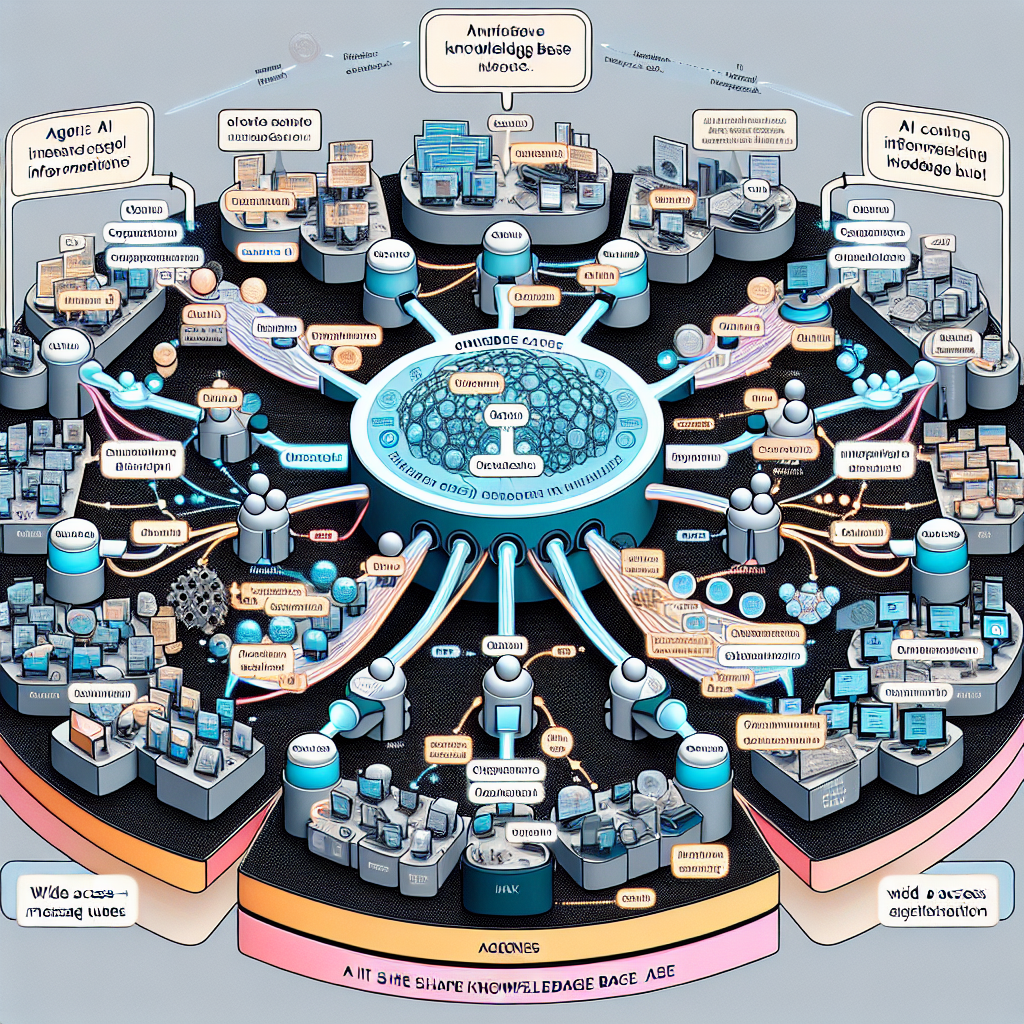
3. Shared Knowledge Bases
Agents share a central knowledge repository or synchronize state through databases or distributed caches (Redis, Memcached). This ensures consistency and context across collaborative tasks.
4. Workflow Orchestration Engine
An orchestration layer coordinates the sequence, timing, and dependencies of agent tasks. OpenClaw integrates with popular workflow engines like Apache Airflow or can use custom lightweight orchestrators.
Implementing Real-Time Workflow Synchronization
Real-time synchronization keeps agents aligned on the current state of the business process, enabling dynamic adjustments.
Step 1: Establish Event-Driven Architecture
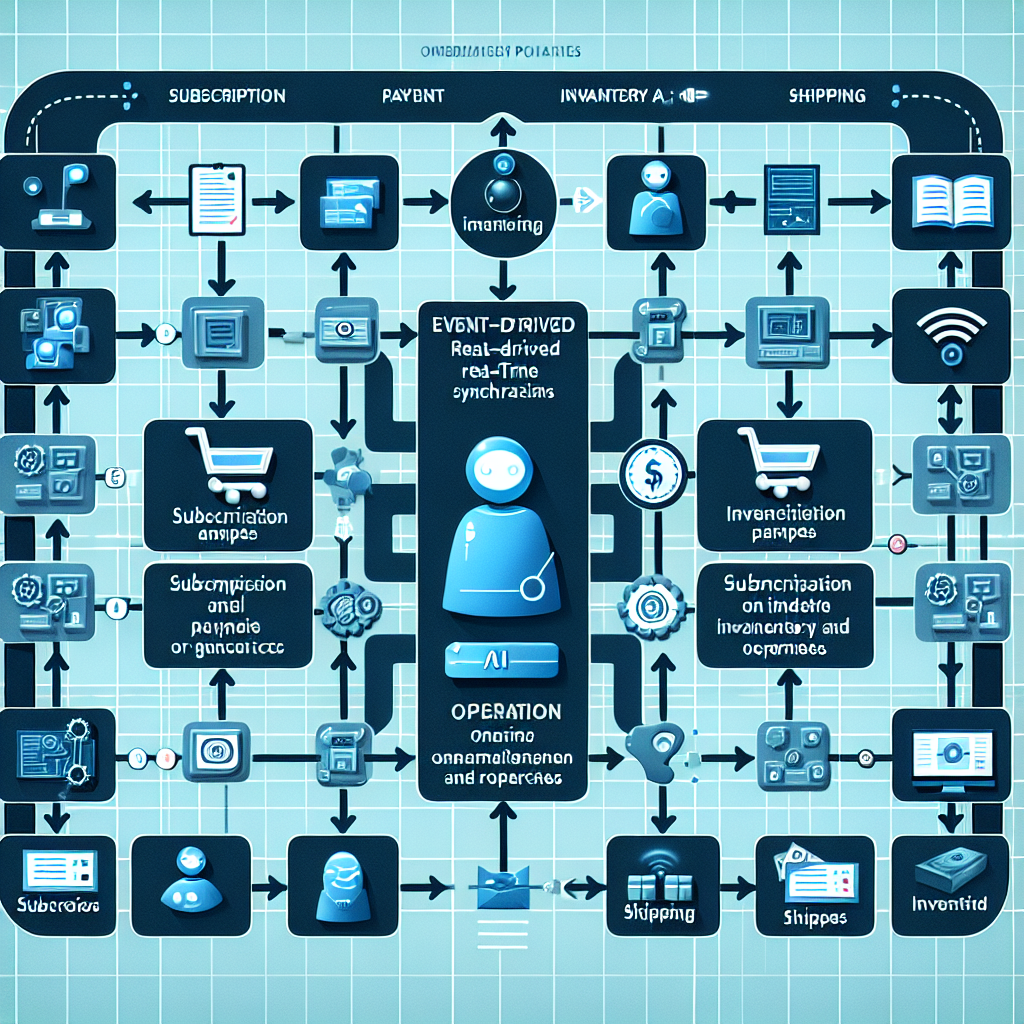
Utilize event-driven design where agents publish and subscribe to events. For example, when a customer places an order, the Order Processing Agent emits an “order_placed” event. The Inventory Agent listens and updates stock levels accordingly.
Step 2: Use Message Brokers for Reliable Delivery
Message brokers like Kafka or MQTT ensure events are reliably delivered and processed asynchronously. This decouples agents and improves fault tolerance.
Step 3: Implement State Synchronization Mechanisms
Use distributed locks or consensus algorithms (e.g., Raft or Paxos) to handle concurrent updates on shared data. This prevents race conditions and data inconsistencies.
Step 4: Monitor and Recover with Health Checks
Implement health checks and heartbeat signals for agents. If an agent becomes unresponsive, orchestration can reassign its tasks or trigger alerts for manual intervention.
Practical Example: Coordinating OpenClaw Agents for a Subscription Business
Consider a subscription box company automating order fulfillment:
- Subscription Agent: Handles customer subscription signups and cancellations.
- Payment Agent: Processes recurring payments and flags failed transactions.
- Inventory Agent: Checks stock levels and triggers reorder workflows.
- Shipping Agent: Coordinates package creation and tracking updates.
Workflow flow:
- Subscription Agent receives a new subscription event.
- Payment Agent attempts charge; on success, emits payment_success event.
- Inventory Agent listens for payment_success, reserves items.
- Shipping Agent receives reservation confirmation, schedules shipment.
All agents communicate asynchronously via a message broker, maintaining real-time synchronization and error handling.
OpenClaw Implementation Tips
- Use OpenClaw’s built-in webhook triggers to enable event-driven messaging between agents.
- Store shared state in a cloud database accessible by all agents for consistent context.
- Leverage OpenClaw’s API endpoints to programmatically start or pause agents based on workflow conditions.
- Integrate with external orchestration tools for complex workflows beyond native OpenClaw capabilities.
Handling Conflict and Coordination Challenges
Multi-agent systems can encounter conflicts such as:
- Simultaneous conflicting updates: Mitigate with transactional database operations and distributed locks.
- Deadlocks: Avoid circular dependencies by clear workflow design and timeout policies.
- Latency issues: Optimize message broker performance and use caching.
Scaling Multi-Agent Systems
To scale your OpenClaw multi-agent system:
- Deploy agents in containerized environments (Docker, Kubernetes) for elasticity.
- Implement load balancing for API endpoints.
- Use monitoring dashboards to track agent health and workflow throughput.
Conclusion
Multi-agent collaboration and real-time workflow synchronization elevate OpenClaw AI automation to handle sophisticated business processes efficiently. By clearly defining agent roles, leveraging event-driven communication, and orchestrating workflows, businesses can automate complex tasks with resilience and scalability. This approach empowers small businesses and technical operators to transform operations with intelligent, cooperative AI agents.