


OpenClaw AI Automation: Implementing Multi-Agent Collaboration and Real-Time Workflow Synchronization (Part 13)
March 15, 2026
OpenClaw AI Automation: Advanced Anomaly Detection and Automated Incident Management for Business Continuity (Part 15)
March 16, 2026Introduction to Predictive Analytics in OpenClaw AI Automation
Building on previous discussions about multi-agent collaboration and real-time synchronization, Part 14 explores the strategic advantage of integrating predictive analytics within your OpenClaw AI workflows. Predictive analytics empowers businesses to foresee trends, customer behaviors, and operational bottlenecks before they occur, enabling proactive management that can significantly improve efficiency and customer satisfaction.
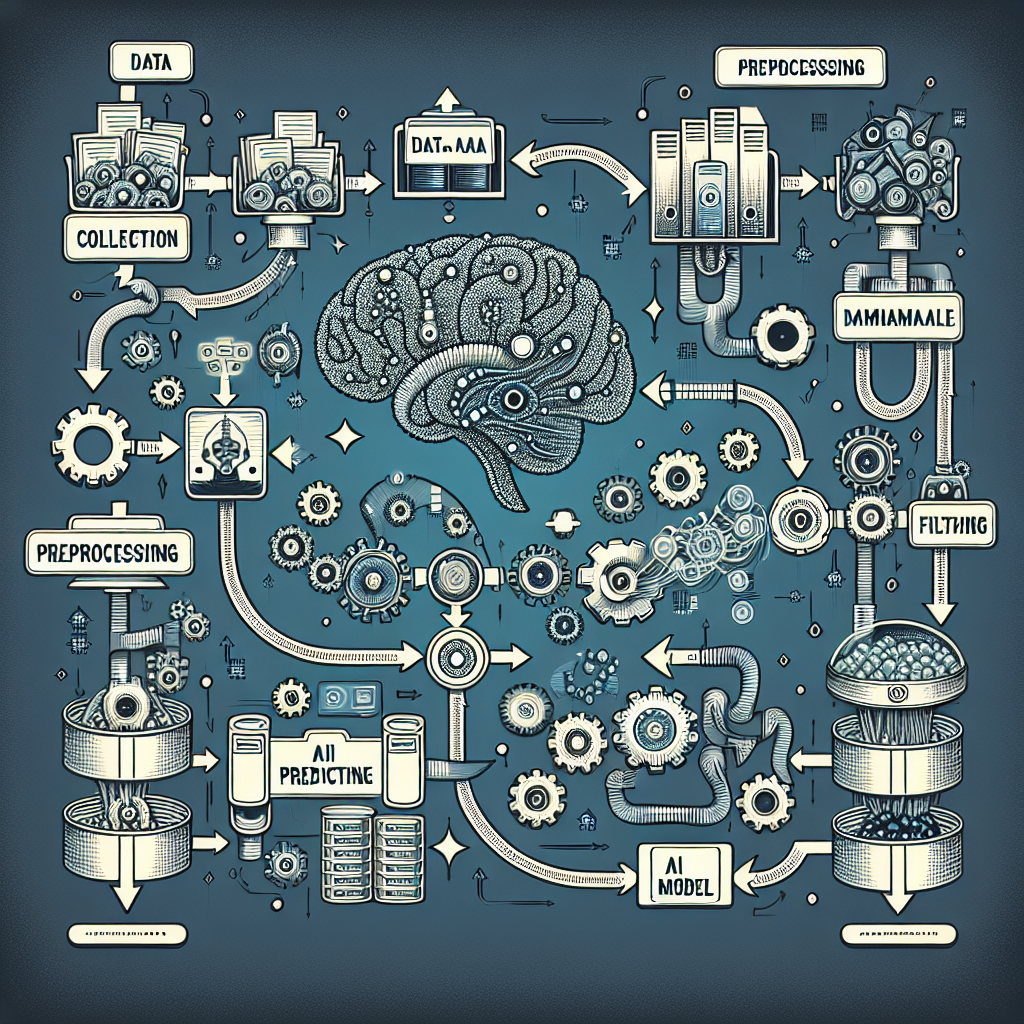
Why Predictive Analytics Matters for Small Businesses and WordPress Sites

Small businesses and WordPress site owners often operate with limited resources and tight schedules. By leveraging predictive analytics, they can:
- Anticipate customer support spikes and allocate AI support agents accordingly.
- Forecast website traffic trends and adjust hosting resources dynamically.
- Identify potential security threats early based on unusual activity patterns.
- Optimize marketing campaigns by predicting customer purchase behavior.
Implementing Predictive Analytics with OpenClaw AI Agents
Step 1: Data Collection and Preparation
Effective predictive analytics starts with relevant data. OpenClaw agents can aggregate data from multiple sources such as:
- Customer interactions via chat, email, and WhatsApp
- Website traffic logs and user behavior analytics
- Sales transactions and CRM data
- Hosting performance metrics and error logs
Example: Using OpenClaw’s integrated data pipelines, an agent can continuously collect and preprocess website visitor data, including session duration, page views, and bounce rates, storing this data in a structured format for analysis.
Step 2: Choosing the Right Predictive Models
OpenClaw supports integration with popular machine learning frameworks and APIs. Common models for prediction include:
- Time Series Forecasting: For predicting traffic or sales volume trends.
- Classification Models: To predict customer churn or support ticket urgency.
- Regression Models: To estimate revenue growth or server load.
Example: Deploy a Long Short-Term Memory (LSTM) neural network via OpenClaw to forecast daily website visits based on historical data.
Step 3: Integrating Predictions into Automation Workflows
Once predictions are made, OpenClaw agents can trigger automated workflows based on forecasted outcomes:
- Scaling infrastructure: Automatically increase hosting capacity before anticipated traffic surges.
- Proactive customer support: Preemptively address common queries predicted from support trends.
- Marketing adjustments: Tailor content and promotions to predicted customer segments.
Example: An OpenClaw agent detects a forecasted rise in support tickets about a new product feature. It automatically prepares a knowledge base update and schedules additional AI chat agent resources.
Practical Example: Predicting Support Load and Automating Resource Allocation
Consider a WordPress-based e-commerce site using OpenClaw AI agents for customer support. By analyzing historical support tickets and website traffic, the predictive model forecasts a 30% increase in support requests during a holiday sale.
Implementation steps:
- OpenClaw agents collect and preprocess support ticket data and traffic patterns.
- LSTM time series model predicts support volume over the next two weeks.
- When the predicted load crosses a threshold, OpenClaw triggers workflows to:
- Deploy additional AI chat agents to handle FAQs.
- Notify human agents to prepare for higher demand.
- Preload content updates to the website’s FAQ section.
This proactive approach reduces response times and improves customer satisfaction during peak periods.
Advanced Use Case: Predictive Security Monitoring and Incident Prevention
Security threats often manifest as subtle anomalies over time. OpenClaw AI agents augmented with predictive analytics can:
- Track unusual login patterns or traffic spikes indicating brute force attacks.
- Forecast potential DDoS attacks by analyzing network traffic trends.
- Trigger automated defensive actions such as firewall rule updates or temporary IP blocking.
Example: An OpenClaw agent integrates with server logs and applies anomaly detection algorithms. It predicts a likely brute force attack within the next hour and automatically strengthens login attempt limits while alerting administrators.
Technical Implementation Details
Data Pipeline Setup
Use OpenClaw’s native connectors to pull data from WordPress databases, server logs, and external marketing tools. Data is normalized and stored in a time-series database or cloud data warehouse for efficient querying.
Model Training and Deployment
Train models using Python libraries like TensorFlow or scikit-learn on historical data sets. Deploy models as RESTful APIs that OpenClaw agents can call asynchronously for real-time predictions.
Workflow Automation Integration
Configure OpenClaw workflows to consume prediction results and make decisions. Use conditional branching and event triggers within the OpenClaw platform to automate responses.
Monitoring, Evaluation, and Continuous Improvement
Regularly monitor prediction accuracy using metrics such as Mean Absolute Error (MAE) or F1 score depending on the model type. Feedback loops can be implemented to retrain models as new data becomes available, ensuring predictions remain current and reliable.
Summary and Next Steps
Integrating predictive analytics into OpenClaw AI automation unlocks a new level of business intelligence, enabling small businesses and WordPress operators to act proactively, optimize resources, and enhance customer experience. The next part in this series will focus on leveraging AI-driven sentiment analysis to further personalize customer interactions and automate brand reputation management.
Further Reading and Resources
- OpenClaw AI Automation: Advanced AI Agent Customization and Contextual Awareness for Enhanced Business Efficiency (Part 12)
- OpenClaw AI Automation: Implementing Multi-Agent Collaboration and Real-Time Workflow Synchronization (Part 13)
- OpenClaw AI Automation: Implementing Intelligent AI Agent Feedback Loops for Continuous Improvement (Part 10)