


OpenClaw AI Automation: Designing Intelligent AI-Driven WordPress Content Personalization and Dynamic User Experiences (Part 48)
April 6, 2026
OpenClaw AI Automation: Advanced AI-Driven Automated WordPress E-Commerce Analytics and Predictive Customer Insights (Part 49)
April 7, 2026Introduction
Building upon previous explorations of OpenClaw AI automation in WordPress, this part dives deeply into deploying AI agents specifically to optimize e-commerce websites. WordPress, paired with WooCommerce or other popular plugins, powers a significant portion of online stores. However, managing these stores for optimal conversions, pricing, inventory, and personalized marketing is complex and time-consuming.
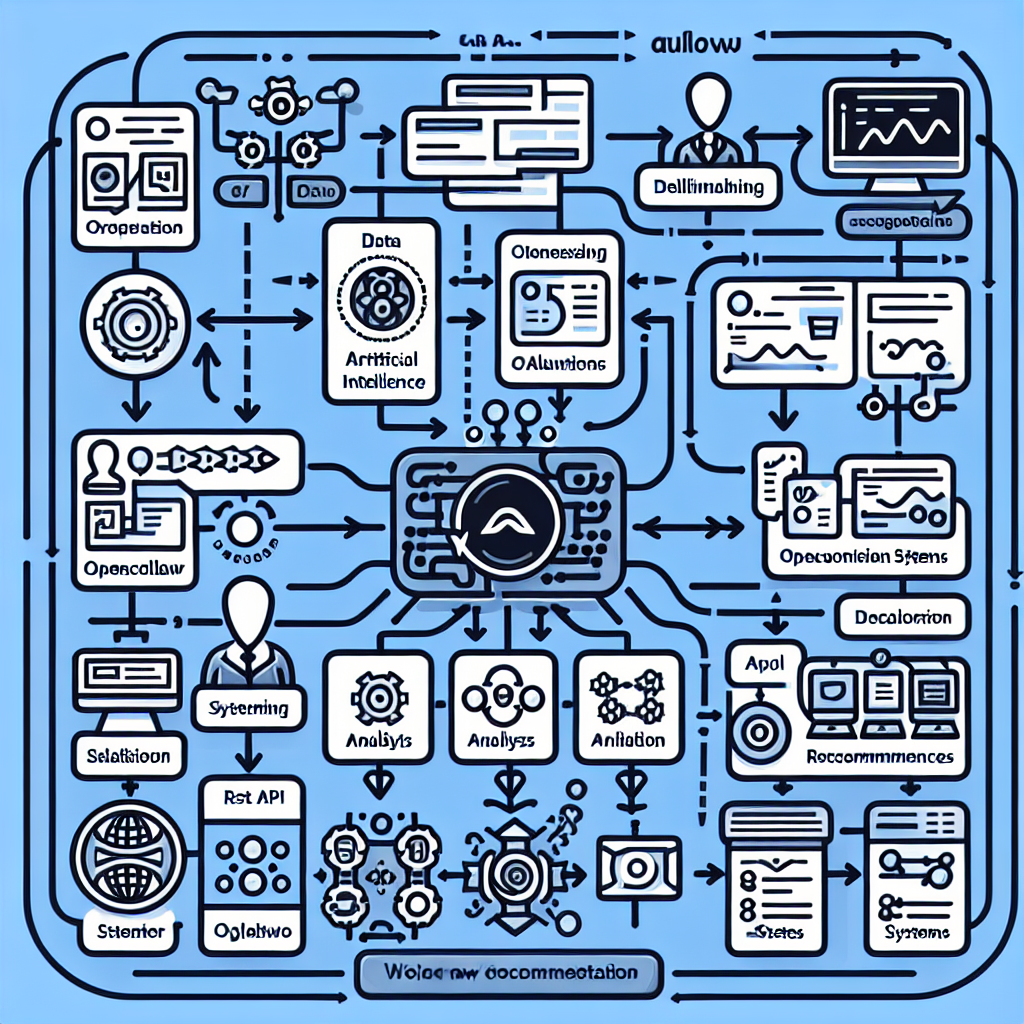
This article presents practical methods to implement AI-driven automation with OpenClaw agents that enhance e-commerce performance by automating product recommendations, dynamic pricing strategies, inventory forecasting, and targeted marketing campaigns. These strategies help small business owners and technical operators maximize revenue, improve customer experience, and streamline operations.
Understanding AI-Driven E-Commerce Optimization with OpenClaw

At its core, AI-driven e-commerce optimization leverages machine learning and data analytics to make real-time decisions that enhance conversions and operational efficiency. OpenClaw agents excel at orchestrating these workflows by integrating with WordPress, WooCommerce, and external data sources.
Key areas of focus include:
- Product Recommendation Automation: AI suggests relevant products to customers based on browsing behavior, purchase history, and trends.
- Dynamic Pricing Automation: Prices adjust automatically based on demand, competition, stock levels, and customer segments.
- Inventory Forecasting and Management: Predicting inventory needs to avoid stockouts or overstocking.
- Personalized Marketing Campaigns: Automated segmentation and messaging to increase engagement and sales.
Implementing AI-Driven Product Recommendation with OpenClaw
Step 1: Integrate OpenClaw Agent with WooCommerce Data
Begin by configuring an OpenClaw AI agent to access WooCommerce product catalogs, customer browsing, and purchase data via WordPress REST API. Use OAuth 2.0 or API keys for secure authentication. This data forms the basis for recommendation models.
Step 2: Define Recommendation Logic
Leverage collaborative filtering and content-based filtering approaches:
- Collaborative filtering: Analyze customer purchase patterns to recommend products that similar customers bought.
- Content-based filtering: Recommend products similar in attributes (category, tags, price range) to those viewed or purchased by the user.
OpenClaw agents can run these ML models periodically or triggered by user sessions.
Step 3: Real-Time Recommendation Injection
Utilize OpenClaw to dynamically inject personalized product recommendation widgets on product and cart pages. This can be done via shortcode generation or direct DOM manipulation through JavaScript APIs exposed by the agent.
Practical Example
An OpenClaw agent monitors user activity and triggers an API call to a recommendation backend that returns top 5 products. The agent then updates the WooCommerce sidebar with recommended items, updated every 5 minutes or per session.
Dynamic Pricing Automation Using OpenClaw AI Agents
Why Dynamic Pricing?
Dynamic pricing helps businesses react to market conditions, competitor pricing, and inventory status to maximize profits or clear stock.
Step 1: Data Collection
OpenClaw agents gather:
- Current product prices and stock levels from WooCommerce.
- Competitor prices scraped or obtained via APIs.
- Sales velocity and demand patterns.
Step 2: Pricing Model Configuration
Define pricing rules and ML-driven models that consider:
- Price elasticity based on historical sales data.
- Inventory urgency (e.g., lower prices to clear excess stock).
- Competitor pricing benchmarks.
Step 3: Automated Price Updates
OpenClaw agents execute scheduled or event-driven updates via WooCommerce REST API to adjust prices. Safeguards such as minimum and maximum price thresholds are enforced to prevent errors.
Example Implementation
An agent runs hourly, analyzes sales velocity and competitor prices, then reduces prices for slow-moving products by up to 15% while increasing prices for high-demand items up to a set cap.
Inventory Forecasting and Management Automation
Forecasting Demand
OpenClaw agents collect historical sales data, seasonal trends, and marketing campaign schedules to forecast inventory needs using time series analysis models.
Automated Alerts and Actions
Based on forecasts, agents can:
- Send low-stock alerts to store managers.
- Automatically create purchase orders or supplier notifications.
- Adjust product visibility or promotional offers to influence demand.
Practical Use Case
During seasonal spikes, OpenClaw predicts inventory depletion dates and triggers an automated email to suppliers requesting restock, ensuring product availability without manual intervention.
Personalized Marketing Campaign Automation
Audience Segmentation
OpenClaw agents analyze customer data to segment audiences by behavior, purchase frequency, and preferences.
Campaign Generation and Delivery
Agents generate personalized email content, discount offers, and push notifications tailored to segments. Integration with marketing platforms (Mailchimp, SendGrid) is managed via APIs.
Example Workflow
After a customer abandons a cart, OpenClaw triggers a tailored email with recommended products and a limited-time discount, increasing chances of conversion.
Technical Implementation Tips
- Security: Ensure API keys and tokens are securely stored and rotated regularly.
- Scalability: Use asynchronous job queues for heavy data processing tasks to avoid blocking site performance.
- Monitoring: Implement logging and alerting for agent failures or anomalies.
- User Privacy: Comply with GDPR and other data protection regulations when handling customer data.
Conclusion
OpenClaw AI automation provides powerful capabilities for WordPress e-commerce owners to optimize conversions and operational efficiency. By systematically automating product recommendations, dynamic pricing, inventory forecasting, and personalized marketing, businesses can deliver superior customer experiences while reducing manual workload.
Implementing these systems requires careful planning, secure integrations, and ongoing monitoring, but the ROI in saved time and increased sales is significant.
Further Reading
- OpenClaw AI Automation: Designing Intelligent AI-Driven WordPress Content Personalization and Dynamic User Experiences (Part 48)
- OpenClaw AI Automation: Advanced AI-Driven Automated WordPress SEO Optimization and Content Strategy (Part 47)
- OpenClaw AI Automation: Leveraging AI-Driven Automated WordPress REST API Extensions and Custom Integrations (Part 43)