


OpenClaw AI Automation: Advanced AI Agent Integration with WordPress REST API for Dynamic Site Management (Part 23)
March 22, 2026
OpenClaw AI Automation: Implementing AI-Driven Automated SEO Strategies for WordPress (Part 25)
March 23, 2026Introduction
As AI automation continues to evolve, delivering personalized content and dynamic user experiences has become a crucial competitive advantage for WordPress websites. In this part of the OpenClaw series, we dive deep into implementing AI-driven content personalization using OpenClaw AI agents to enhance user engagement, conversion rates, and overall satisfaction. We focus on practical integration, advanced techniques, and detailed examples tailored for small business owners, developers, and technical operators.
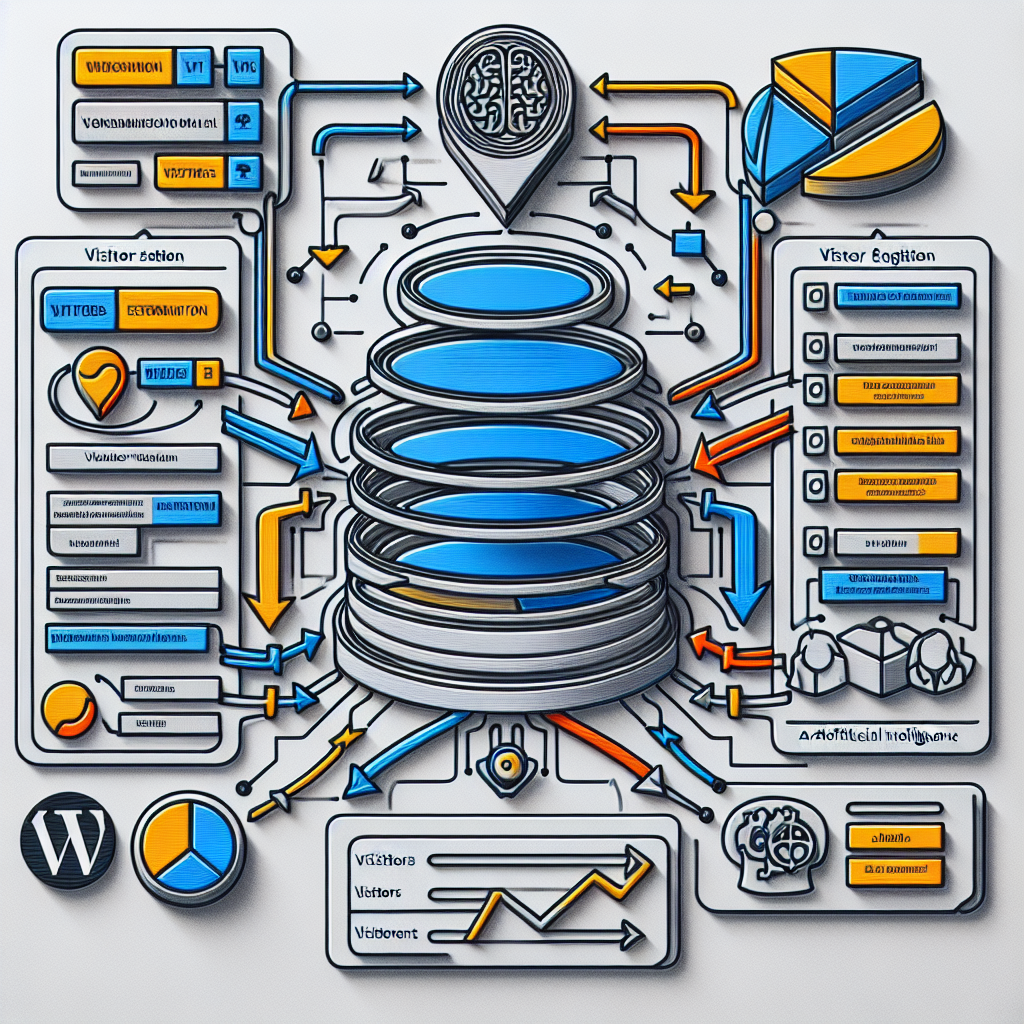
Why AI-Driven Content Personalization Matters
Personalized content tailors the website experience to individual visitors based on behavior, preferences, and context. This approach helps:
- Increase engagement: Users see relevant content that resonates with their interests.
- Boost conversions: Customized calls-to-action and offers improve sales and signups.
- Improve retention: Repeat visitors enjoy a more meaningful experience.
OpenClaw’s AI agents can analyze visitor data in real-time, dynamically modify WordPress content, and optimize user journeys without manual intervention.
Core Components for AI-Driven Personalization with OpenClaw
To build an effective personalization system, the following components are essential:
- Data Collection: Gather visitor data such as browsing history, location, device, time, and interaction patterns.
- Segmentation & Profiling: Use OpenClaw AI to classify visitors into meaningful segments based on behavior and attributes.
- Content Tagging & Mapping: Structure WordPress content with metadata and tags to enable relevant matching.
- Dynamic Content Delivery: Adapt page elements, posts, and offers dynamically based on AI decisions.
- Continuous Learning: Implement feedback loops so AI agents improve personalization over time.
Step-by-Step Implementation Guide
1. Setting Up Visitor Data Collection
Start by integrating OpenClaw agents with your WordPress site to track visitor behavior. This can be done through JavaScript event listeners and API hooks.
function trackVisitorActivity() {
  document.addEventListener('click', event => {
    OpenClawAgent.sendEvent({
      type: 'click',
      element: event.target.tagName,
      timestamp: Date.now()
    });
  });
}
trackVisitorActivity();
Additionally, gather contextual data such as geolocation and device type via browser APIs.
2. AI-Driven Visitor Segmentation
OpenClaw agents analyze collected data to segment users. For example, segments could be ‘Returning Customers’, ‘First-Time Visitors’, or ‘Mobile Users’.
Configure the agent with segmentation rules or train a clustering model:
const visitorFeatures = {
  pagesVisited: 5,
  timeOnSite: 300,
  deviceType: 'mobile',
  location: 'US'
};

const segment = OpenClawAgent.classifyVisitor(visitorFeatures);
console.log('Visitor segment:', segment); // e.g., 'Engaged Mobile User'
3. Tagging WordPress Content
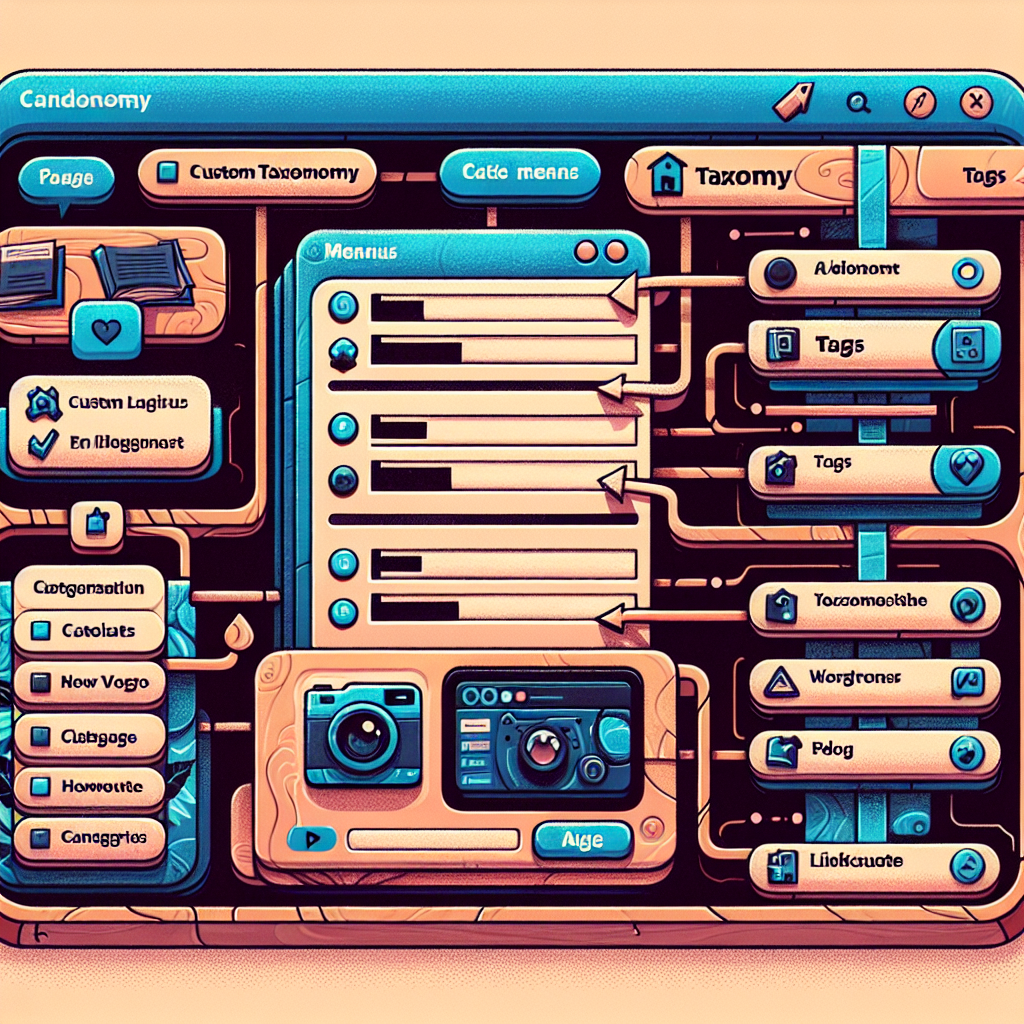
To enable meaningful matching, add tags and metadata to posts, pages, and products. This can be done by using custom taxonomies or meta fields in WordPress.
// Register custom taxonomy 'content_tags'
function register_content_tags_taxonomy() {
  register_taxonomy('content_tags', ['post', 'page'], [
    'label' => 'Content Tags',
    'public' => true,
    'hierarchical' => false
  ]);
}
add_action('init', 'register_content_tags_taxonomy');
Tag content with relevant keywords like ‘beginner’, ‘wordpress-tips’, ‘special-offer’, etc.
4. Dynamic Content Injection With OpenClaw AI
Leverage OpenClaw AI agents to dynamically select and inject personalized content blocks or calls to action based on visitor segments.
Example: Using WordPress hooks, replace a sidebar widget with a personalized offer.
add_filter('dynamic_sidebar_params', function($params) {
  $visitorSegment = OpenClawAgent.getVisitorSegment();
  if ($visitorSegment === 'Returning Customer') {
    $params[0]['widget_name'] = 'special_offer_widget';
  } else {
    $params[0]['widget_name'] = 'newsletter_signup_widget';
  }
  return $params;
});
5. Continuous Learning and Feedback
Implement mechanisms to collect feedback on personalization effectiveness, such as click-through rates or conversion tracking. Feed this data back into OpenClaw AI for model retraining and improved accuracy.
Practical Example: Personalized Homepage for E-Commerce WordPress Site
Consider an e-commerce store using WooCommerce. OpenClaw AI agents can personalize the homepage by showing product recommendations tailored to user behavior.
- Data Collection: Track viewed products, cart items, and search queries.
- Segmentation: Classify visitors as ‘Bargain Hunters’, ‘New Shoppers’, or ‘Loyal Customers’.
- Content Mapping: Tag products with categories, discount status, and popularity.
- Dynamic Delivery: Show special discount banners to ‘Bargain Hunters’ and loyalty rewards to ‘Loyal Customers’.
Example code snippet for personalized product carousel injection:
add_action('woocommerce_before_shop_loop', function() {
  $segment = OpenClawAgent.getVisitorSegment();
  $products = OpenClawAgent.getRecommendedProducts($segment);
  echo render_product_carousel($products);
});
Integration Tips and Best Practices
- Data Privacy Compliance: Ensure compliance with GDPR and other regulations by anonymizing data and obtaining user consent.
- Performance Optimization: Cache AI decisions where possible to reduce latency for returning visitors.
- Fallback Strategies: Provide default content if AI services are unavailable to maintain user experience.
- Testing: Use A/B testing to measure personalization impact and refine AI models.
Monitoring and Troubleshooting
Use OpenClaw’s built-in monitoring dashboard to track personalization metrics and agent health. Common issues include incorrect segment classification or content mismatches, which can be debugged by reviewing AI logs and adjusting feature inputs.
Conclusion
Implementing AI-driven content personalization with OpenClaw transforms WordPress websites into dynamic, user-centric platforms. By systematically collecting visitor data, segmenting intelligently, tagging content, and delivering personalized experiences, businesses can significantly enhance engagement and conversions. Continuous learning ensures the system adapts and improves over time, providing sustained value.
In the next installment, we will explore advanced multi-agent coordination for cross-channel marketing automation using OpenClaw AI agents.