


OpenClaw AI Automation: Implementing AI-Driven Automated Performance Monitoring and Optimization for WordPress (Part 32)
March 28, 2026
OpenClaw AI Automation: Advanced AI-Driven Automated Content Curation and Syndication for WordPress (Part 34)
March 29, 2026Introduction
In Part 33 of our OpenClaw AI Automation series, we explore the transformative possibilities of integrating AI-driven automated content generation and editorial workflows within WordPress. While previous parts have covered performance monitoring, security, and customer management, this installment focuses on content — the heart of any successful website or business presence online.
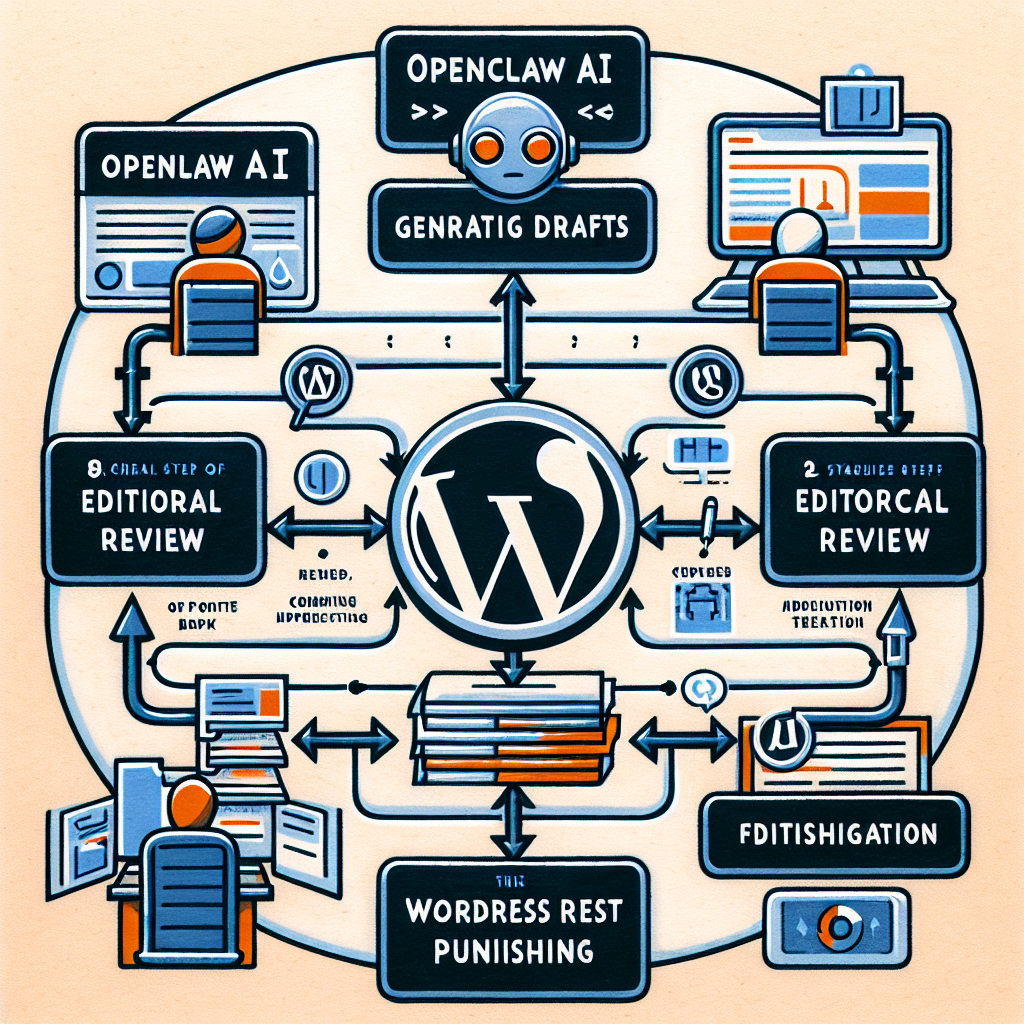
Content creation and editorial management are traditionally resource-intensive processes, often requiring dedicated teams and significant manual effort. OpenClaw AI agents can revolutionize this by automating repetitive tasks, assisting in generating high-quality drafts, managing editorial cycles, and enhancing collaboration — all directly integrated with WordPress.
Why Automate Content Generation and Editorial Workflows?
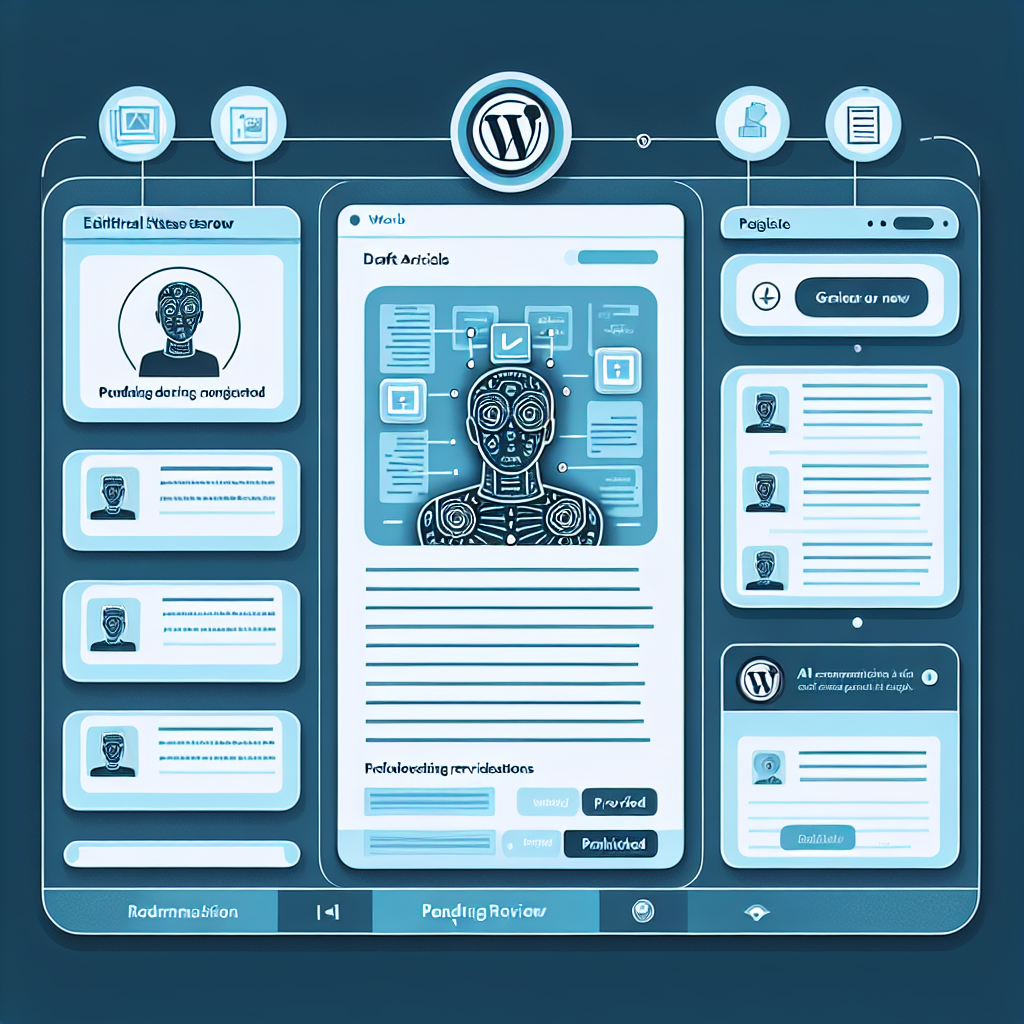
Automating content and editorial workflows offers multiple benefits for small businesses and website owners, including:
- Efficiency: Reduce time spent on drafting, editing, and publishing.
- Scalability: Produce more content without proportionally increasing effort.
- Consistency: Maintain a uniform content tone and style across posts.
- Collaboration: Streamline editorial review and approval processes.
- SEO and Engagement: Generate content optimized for target keywords and user engagement.
Core Components of OpenClaw Content Automation
To implement AI-driven content automation using OpenClaw, several components and integrations come into play:
- AI Content Generation Agents: These OpenClaw agents generate drafts or content snippets based on prompts, keywords, or outlines.
- Editorial Workflow Orchestrator: A system that automates content review stages, assigns tasks, and tracks progress.
- WordPress Integration Layer: Connects AI agents and workflow orchestrators with WordPress via REST API for seamless content publishing.
- Quality Control Modules: Automated grammar and plagiarism checking, readability scoring, and SEO validation.
Step-by-Step Implementation Guide
1. Setting Up AI Content Generation Agents
Begin by configuring OpenClaw AI agents to generate content based on specific inputs. For example, a small business owner might use the following workflow:
- Input: Target topic, keywords, desired word count, and audience persona.
- Process: The AI generates a detailed content outline, followed by section drafts.
- Output: A complete draft saved as a WordPress post in draft status.
This process uses OpenAI language models tuned for business and marketing content. Custom prompt engineering ensures the AI maintains brand voice and style.
2. Automating Editorial Workflows
After the initial draft is generated, the editorial workflow orchestrator takes over. Key workflow steps include:
- Automated Assignment: AI assigns the draft to human editors or subject matter experts based on availability and expertise.
- Review and Commenting: Editors review drafts, add comments, or request AI-assisted revisions.
- Revision Automation: OpenClaw AI agents can automatically adjust content based on editorial feedback, improving clarity, tone, or keyword density.
- Approval and Scheduling: Once approved, the system schedules publication and social media promotion.
Using AI to manage and track these editorial stages greatly reduces turnaround time and manual coordination overhead.
3. WordPress REST API Integration
Connecting OpenClaw with WordPress is critical for smooth automation. Using the WordPress REST API, AI agents can:
- Create, update, and delete posts and pages.
- Manage custom post statuses to reflect editorial states like “in review” or “needs revision.”
- Upload and assign media assets such as images or videos.
- Handle taxonomy assignment for categories and tags automatically.
Example: The AI agent creates a draft post with generated content, assigns categories based on topic analysis, and uploads relevant featured images fetched or generated via AI.
Practical Example: Automating a Weekly Blog Series
Consider a small business running a weekly blog to educate customers about industry trends. Using OpenClaw AI automation, the workflow might look like this:
- Monday: The AI agent receives a list of trending topics via RSS feed or Google Trends API.
- Tuesday: It generates topic outlines and content drafts for the next three weeks.
- Wednesday: Editorial team reviews the drafts within WordPress, requests AI-generated revisions if needed.
- Thursday: Final approval is given; posts are scheduled automatically for publishing on Fridays.
- Friday: Posts go live, and AI triggers social media snippets and email newsletter content based on the blog.
This cycle reduces the manual effort from weeks of work to just a few hours, allowing the team to focus on strategy and engagement.
Advanced Techniques and Customizations
AI-Powered Content Summarization and Repurposing
OpenClaw AI agents can summarize long articles into concise snippets for social media or newsletters, automatically generating diverse content formats from a single source.
Multilingual Content Generation
By integrating translation models, OpenClaw can generate multilingual versions of content, expanding reach without additional human translation costs.
Sentiment and Tone Analysis for Brand Consistency
Automated checks ensure generated content matches the desired brand tone, adjusting vocabulary and style before publishing.
Dynamic Content Personalization
Content can be tailored dynamically based on user segments or behavior, with AI generating variations suited to different audience personas.
Quality Control and Ethical Considerations
While AI-generated content offers efficiency, maintaining quality and ethical standards is paramount. OpenClaw workflows incorporate:
- Plagiarism Detection: Automated scans to ensure originality.
- Fact-Checking: Integration with trusted data sources to verify claims.
- Human Oversight: Final editorial approval remains a best practice.
- Transparency: Disclosures about AI involvement where appropriate to maintain trust.
Integrating with Existing OpenClaw AI Automation Systems
This content automation setup complements previously discussed OpenClaw functionalities such as performance monitoring and security incident response. By linking content workflows with analytics agents, businesses can automatically generate content responding to customer feedback, trending issues, or support tickets.
Conclusion
Leveraging OpenClaw AI agents for content generation and editorial workflow automation within WordPress empowers small businesses and website owners to produce high-quality content at scale with less manual effort. The integration of AI-driven drafting, review orchestration, and seamless WordPress publishing creates a powerful end-to-end publishing pipeline. Combined with quality controls and ethical guidelines, this approach promises consistent, engaging, and brand-aligned content that drives business growth.
Further Reading and Resources
- OpenClaw AI Automation: Implementing AI-Driven Automated Performance Monitoring and Optimization for WordPress (Part 32)
- OpenClaw AI Automation: Optimizing AI Agent Collaboration and Workflow Orchestration for Enhanced Business Efficiency (Part 29)
- OpenClaw AI Automation: Advanced AI Agent Integration with WordPress REST API for Dynamic Site Management (Part 23)