


OpenClaw AI Automation: Advanced AI Agent Orchestration and Custom Workflow Scaling (Part 8)
March 12, 2026OpenClaw AI Automation: Implementing Intelligent AI Agent Feedback Loops for Continuous Improvement (Part 10)
March 13, 2026Introduction
Welcome to Part 9 of our comprehensive OpenClaw AI Automation series. After exploring advanced orchestration, workflow scaling, security, and integration in previous installments, this article focuses on the crucial next step: ensuring your AI agents run smoothly, efficiently, and reliably in production environments. We will cover detailed debugging techniques, performance tuning strategies, and practical deployment best practices designed for business owners, technical operators, and developers alike.
Understanding the Challenges of AI Agent Debugging

AI agents powered by OpenClaw are inherently complex due to their autonomous decision-making and multi-agent collaboration. Common challenges when debugging include:
- Non-deterministic behavior: AI responses can vary based on subtle input changes or external data.
- Inter-agent communication issues: Misaligned message formats or timing can cause workflow failures.
- Performance bottlenecks: Latency in AI calls or resource constraints may degrade response times.
- Workflow logic errors: Complex conditional logic can lead to unexpected state transitions.
Setting Up a Robust Debugging Environment
Before diving into debugging, establish a structured environment that supports traceability and reproducibility:
- Centralized Logging: Use OpenClaw’s built-in logging capabilities or integrate with tools like ELK Stack or Datadog to collect detailed logs of agent actions, API calls, and errors.
- Version Control: Employ Git or similar systems to track changes in your agent configurations, workflows, and custom scripts.
- Test Harnesses: Create isolated test cases simulating various input scenarios to reproduce and diagnose issues.
- Mock AI Responses: Use mocked or sandboxed AI endpoints during development to control outputs and speed up debugging.
Practical Debugging Techniques
Here are some hands-on strategies to identify and fix issues in AI agent workflows:
- Step-by-step Workflow Tracing: Trace each node’s inputs and outputs in your OpenClaw workflow. Check for data inconsistencies or missing fields that could cause failures.
- Agent Message Inspection: Examine the exact messages passed between AI agents. Logging these messages helps verify correct prompt construction and response interpretation.
- Timeout and Latency Analysis: Monitor API response times and set appropriate timeouts to handle slow or stalled calls gracefully.
- Error Pattern Recognition: Look for recurring error messages or patterns to isolate root causes, such as invalid credentials, malformed JSON, or rate limiting.
Performance Tuning for OpenClaw AI Agents
Optimizing AI agent performance is essential for scalable, responsive automation. Key focus areas include reducing latency, minimizing costs, and improving throughput.
Optimizing Prompt Engineering
Efficient prompt design can significantly reduce token consumption and improve response relevance:
- Use concise, structured prompts: Avoid verbosity and focus on essential context.
- Leverage few-shot learning: Provide a few representative examples rather than lengthy explanations.
- Template reuse: Create reusable prompt templates with placeholders to streamline generation.
Batching and Parallel Execution
Where possible, batch multiple queries or parallelize independent AI agent tasks to reduce total processing time.
- Batch API calls: Some AI providers support batch requests to minimize network overhead.
- Parallelize agents: Configure OpenClaw workflows to run non-dependent agents concurrently.
Resource Management and Scaling
Monitor CPU, memory, and network utilization on your hosting environment to prevent bottlenecks. Use container orchestration or cloud autoscaling where applicable.
Cost Control Measures
AI usage costs can escalate quickly; implement strategies such as:
- Setting token limits on requests
- Caching frequent responses
- Using cheaper models for non-critical tasks
Real-World Deployment Best Practices
Deploying OpenClaw AI automation in a live business environment requires attention to reliability, security, and maintainability.
Incremental Rollouts and Canary Testing
Release new AI workflows gradually to a subset of users or cases before full deployment. Monitor for unexpected behaviors or performance issues.
Monitoring and Alerting
Set up real-time monitoring dashboards for key metrics such as:
- Agent success rates
- Response latencies
- Error frequencies
- Resource usage
Configure alerts via email, Slack, or SMS for critical incidents to enable rapid response.
Security and Compliance Considerations
Ensure your AI automation adheres to data protection standards:
- Encrypt sensitive data in transit and at rest
- Implement role-based access controls on AI agent configurations
- Audit logs for compliance and troubleshooting
Documentation and Knowledge Transfer
Maintain up-to-date documentation detailing workflows, agent roles, and troubleshooting guides to facilitate handoffs and future development.
Practical Example: Debugging and Optimizing a Customer Support AI Workflow
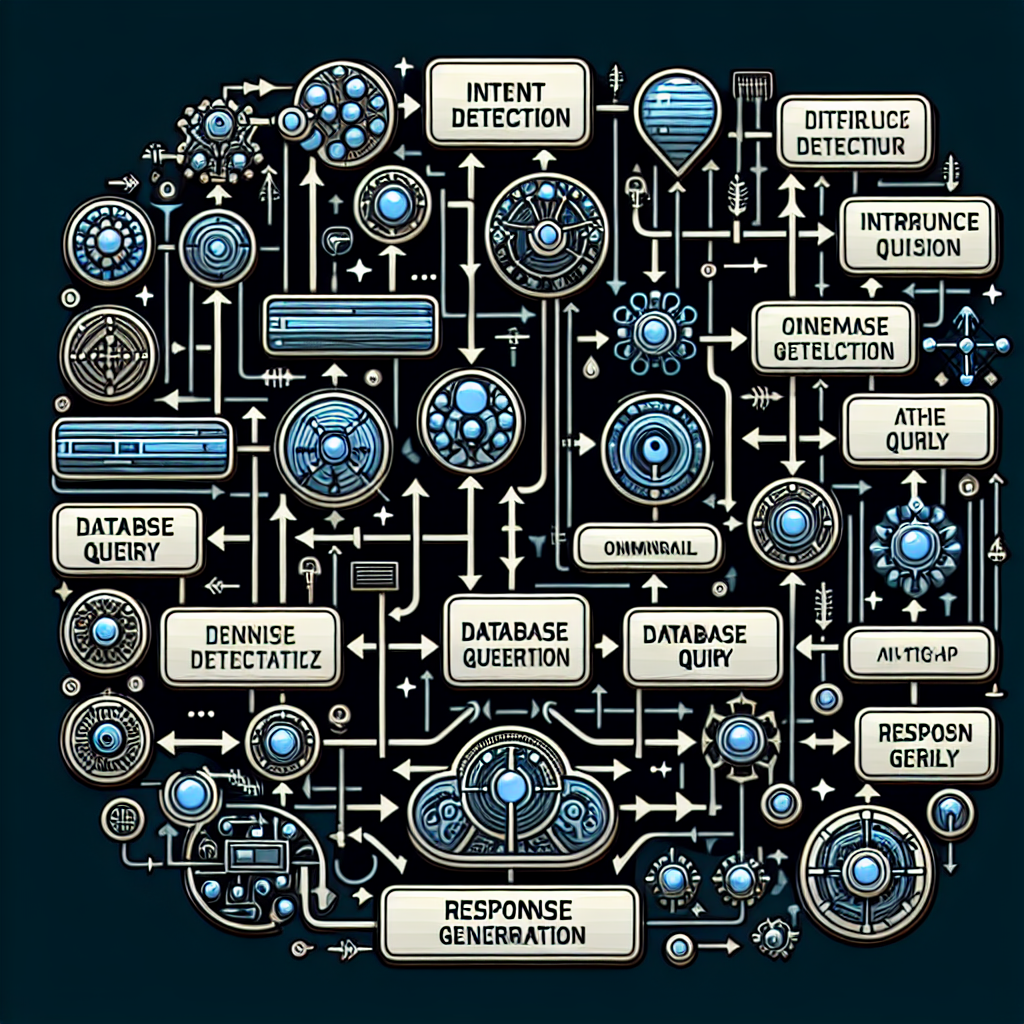
Consider a WordPress-hosted eCommerce site using OpenClaw AI agents to automate WhatsApp customer support. The workflow includes intent detection, order status retrieval, and personalized response generation.
Step 1: Identifying Issues
Customers report delayed responses and occasional incorrect order information.
Step 2: Using Centralized Logging
Inspect logs revealing that API calls to the order database sometimes time out, causing fallback generic replies.
Step 3: Performance Tuning
- Implement caching of recent order statuses for frequent queries.
- Parallelize intent detection and database retrieval where possible.
- Optimize prompts to reduce token usage without losing context.
Step 4: Deployment and Monitoring
Deploy improvements to 10% of users, monitor metrics, and gradually expand rollout upon successful validation.
Conclusion
Mastering debugging, performance tuning, and deployment of OpenClaw AI agents is critical to unlocking the full potential of AI automation for your business. By building robust debugging environments, optimizing workflows, and applying best practices for production deployment, you ensure reliable and scalable intelligent automation that drives growth and efficiency.
Stay tuned for future parts where we will explore advanced AI agent training techniques and integration with emerging AI ecosystems.