


OpenClaw AI Automation: Implementing AI-Driven Workflow Optimization and Intelligent Task Prioritization (Part 18)
March 20, 2026
OpenClaw AI Automation: Implementing AI-Driven Dynamic Resource Allocation and Load Balancing for WordPress and Hosting Environments (Part 20)
March 21, 2026Introduction to Predictive Maintenance with OpenClaw AI
In previous parts of this series, we’ve covered AI-driven workflow optimization, automated testing, anomaly detection, and security monitoring for WordPress and hosting environments. In this installment, we delve into predictive maintenance—a proactive approach to managing websites and hosting infrastructure that leverages AI to anticipate and prevent failures before they impact operations.
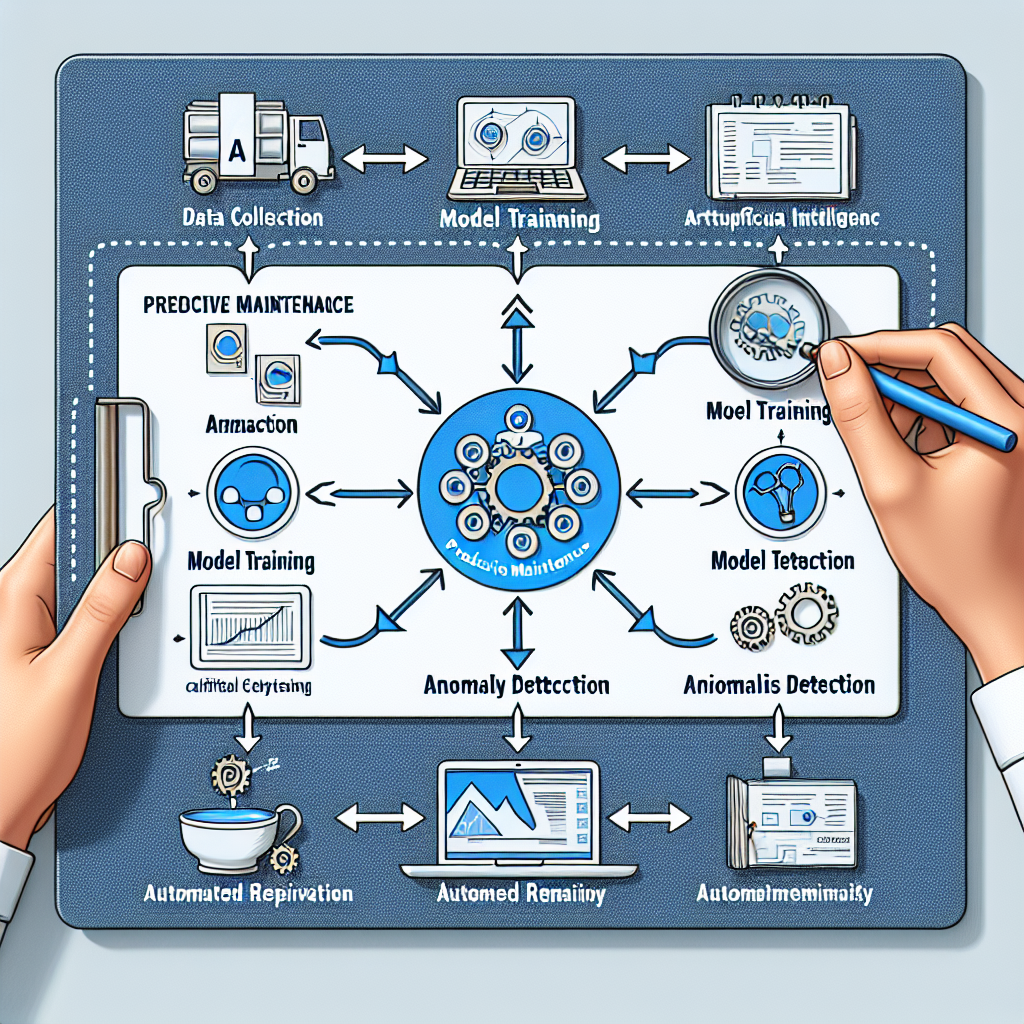
Predictive maintenance uses data analysis and machine learning models to forecast potential issues such as server overloads, plugin conflicts, or resource exhaustion. This approach enables businesses to schedule repairs or optimizations at the most convenient times, minimizing downtime and reducing emergency troubleshooting.
Why Predictive Maintenance Matters for WordPress and Hosting
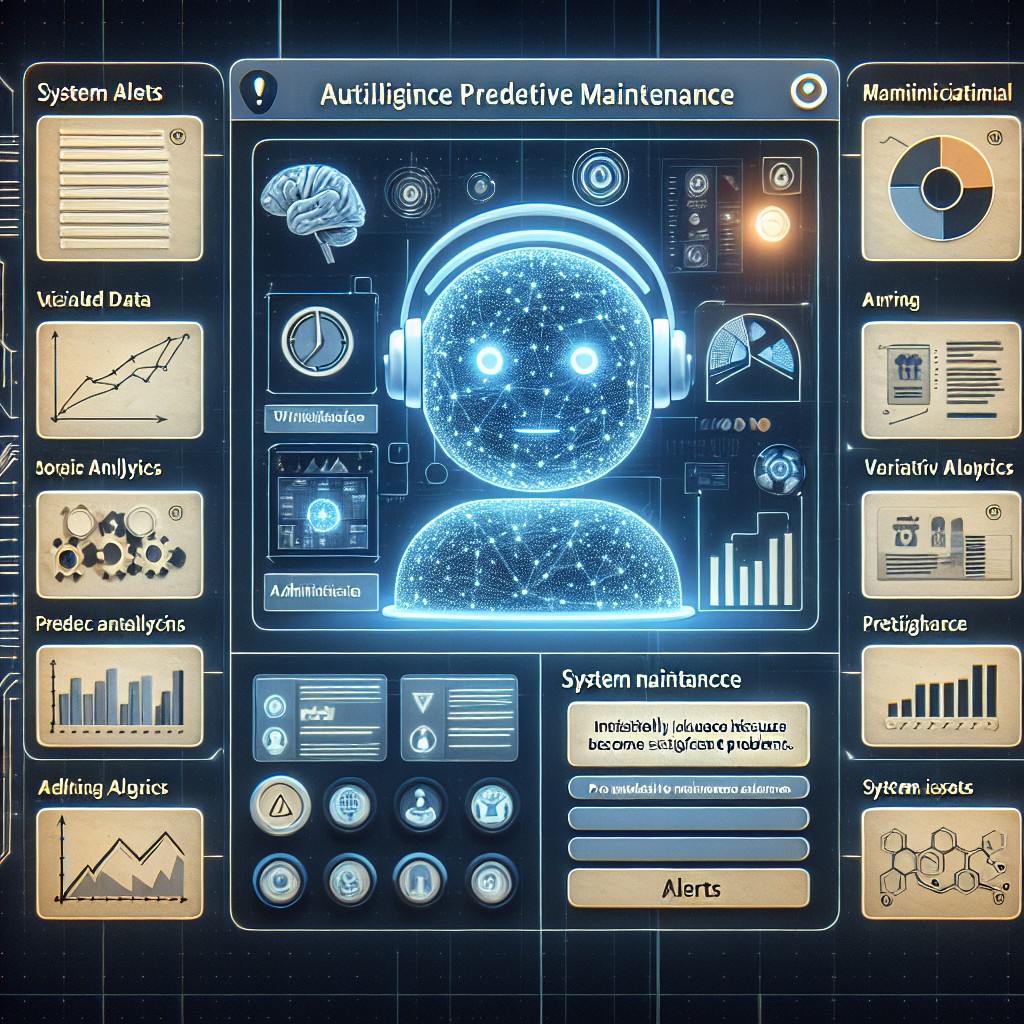
Traditional maintenance is often reactive or scheduled at fixed intervals, which can be inefficient and disruptive. Predictive maintenance tailored with OpenClaw AI agents brings significant benefits:
- Reduced Downtime: Early detection of performance degradation or failures prevents unexpected outages.
- Optimized Resource Usage: Proactively managing server loads and database health helps maintain smooth website performance.
- Cost Savings: Avoiding emergency fixes and hardware replacements lowers operational expenses.
- Improved User Experience: Ensures websites remain responsive and secure, increasing customer satisfaction.
Core Components of OpenClaw Predictive Maintenance
Implementing predictive maintenance with OpenClaw AI involves combining several AI-driven components and data sources:
- Monitoring Agents: Continuously collect real-time metrics like CPU utilization, memory consumption, disk I/O, database query times, and WordPress plugin statuses.
- Historical Data Analysis: Use time-series data of past performance and incidents to train predictive models.
- Anomaly Detection: Identify subtle deviations from normal patterns that may indicate future failures.
- Machine Learning Forecasting: Employ models such as ARIMA, LSTM neural networks, or random forests to forecast potential issues.
- Automated Alerts and Actions: Trigger notifications or automated remediation workflows before issues escalate.
Step-by-Step Implementation Guide
1. Data Collection Setup
Begin by deploying OpenClaw monitoring agents on your WordPress servers and hosting infrastructure. These agents should gather comprehensive metrics, including:
- CPU and RAM usage trends
- Disk space and I/O rates
- Database query times and error rates
- HTTP response codes and latency
- Plugin and theme update statuses
- Log files for errors and warnings
For WordPress-specific data, integrate with APIs or directly query the database to track plugin health, scheduled tasks, and user activity spikes.
2. Data Storage and Processing
Store collected data in a time-series database such as InfluxDB or a cloud-based analytics platform. This centralized repository enables efficient querying and historical trend analysis.
Implement preprocessing routines to clean the data, handle missing values, and normalize metrics for consistent input into AI models.
3. Training Predictive Models
Use historical performance and incident data to train machine learning models. For example:
- ARIMA models for time-series forecasting of server load trends.
- LSTM neural networks to capture complex temporal dependencies in resource usage.
- Random forest classifiers to predict high-risk periods for plugin failures or security incidents.
Leverage Python libraries like scikit-learn, TensorFlow, or statsmodels for model development.
4. Real-Time Anomaly Detection
Deploy OpenClaw AI agents with embedded anomaly detection algorithms to monitor incoming data streams. Techniques such as Isolation Forest, One-Class SVM, or Autoencoders can detect deviations signaling emerging problems.
Configure thresholds and confidence levels to balance sensitivity and false positive rates.
5. Automated Alerting and Remediation
When predictive models forecast a potential failure or anomaly is detected, OpenClaw agents can:
- Send alerts via email, Slack, or WhatsApp to system administrators.
- Trigger automated workflows such as clearing cache, restarting services, or rolling back recent plugin updates.
- Schedule maintenance windows proactively with minimal disruption.
Practical Example: Predicting and Preventing WordPress Plugin Conflicts
Plugin conflicts are a common source of WordPress site failures. Using OpenClaw predictive maintenance, you can anticipate these conflicts before they cause downtime.
- Data Collection: Monitor plugin update logs, error logs, and resource usage spikes associated with specific plugins.
- Model Training: Train a classification model using historical data that correlates plugin updates and conflicts.
- Prediction: When a plugin update is scheduled, feed current system metrics into the model to estimate the risk of conflict.
- Action: If risk is high, OpenClaw can automatically create backups, notify admins, and delay updates or run compatibility tests in staging environments.
Integrating Predictive Maintenance into WordPress Hosting Workflows
To maximize the impact of OpenClaw predictive maintenance, integrate it seamlessly with your existing hosting and WordPress management processes:
- Dashboard Integration: Embed AI-driven maintenance insights into WordPress admin dashboards or hosting control panels for real-time visibility.
- Continuous Learning: Set up feedback loops where incident outcomes update predictive models improving accuracy over time.
- Collaboration: Enable multi-agent cooperation to correlate data across hosting clusters and WordPress multisite networks.
- Compliance: Ensure predictive maintenance workflows comply with data privacy and security regulations.
Challenges and Best Practices
While predictive maintenance offers powerful advantages, be mindful of challenges:
- Data Quality: Inaccurate or sparse data can degrade model performance. Invest in robust monitoring and validation.
- Model Drift: Regularly retrain models to adapt to changes in hosting environments or WordPress configurations.
- False Positives: Fine-tune detection thresholds to avoid alert fatigue among administrators.
- Integration Complexity: Carefully plan integrations to avoid disrupting existing workflows.
Conclusion
OpenClaw AI-driven predictive maintenance represents a significant evolution in managing WordPress and hosting environments. By anticipating issues before they manifest, businesses can reduce downtime, optimize resources, and improve user experience. Following the practical implementation steps outlined here empowers small business owners, developers, and hosting providers to deploy intelligent, proactive maintenance solutions that scale with their needs.
Further Reading and Resources
- OpenClaw AI Automation: Implementing AI-Driven Workflow Optimization and Intelligent Task Prioritization (Part 18)
- OpenClaw AI Automation: Advanced AI-Driven Automated Testing and Continuous Integration for WordPress and Hosting Environments (Part 17)
- OpenClaw AI Automation: Advanced Anomaly Detection and Automated Incident Management for Business Continuity (Part 15)