


OpenClaw AI Automation: Leveraging AI-Driven Predictive Maintenance for WordPress and Hosting Environments (Part 19)
March 20, 2026
OpenClaw AI Automation: Implementing AI-Driven Intelligent Incident Response and Resolution for WordPress and Hosting Environments (Part 21)
March 21, 2026Introduction to Dynamic Resource Allocation and Load Balancing
In this twentieth installment of the OpenClaw AI Automation series, we explore advanced techniques in dynamic resource allocation and load balancing specifically tailored for WordPress websites and hosting environments. As businesses scale, efficient use of server resources and intelligent traffic distribution become critical to maintaining uptime, performance, and cost-efficiency.
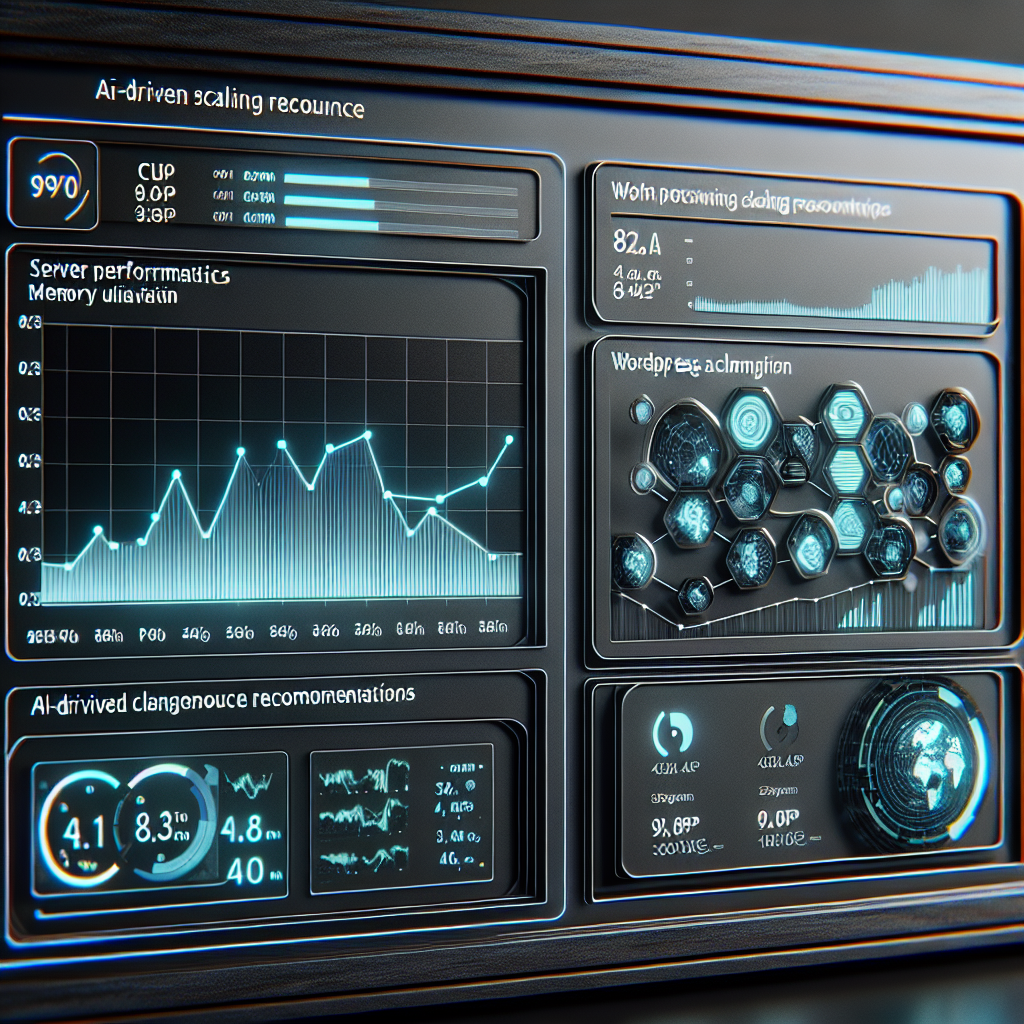
OpenClaw AI agents can act proactively to monitor, predict, and adjust resource utilization and load distribution in real-time, adapting to fluctuating traffic patterns and system demands without manual intervention. This deep dive covers practical implementation steps, architectural considerations, and real-world examples to help business owners and technical operators harness these capabilities.
Why Dynamic Resource Allocation and Load Balancing Matter
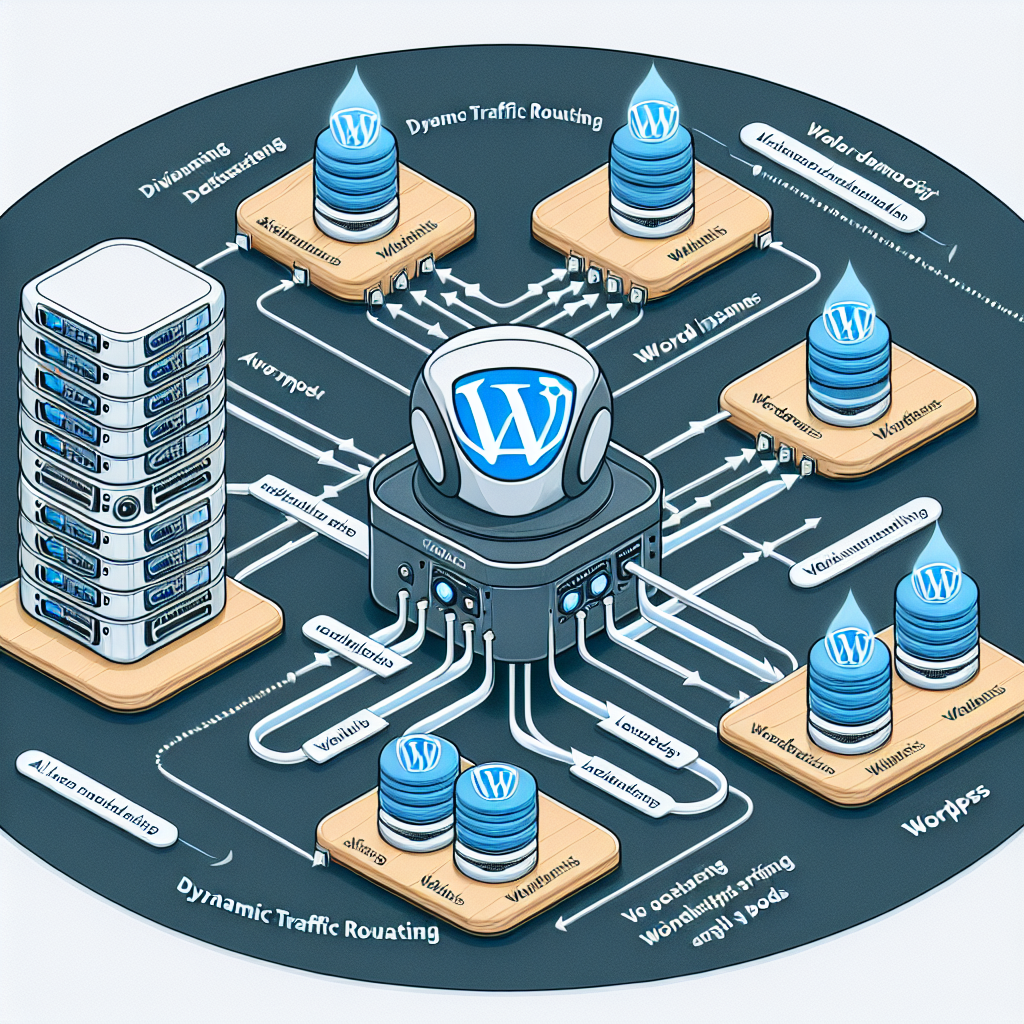
Static resource allocation often leads to inefficiencies—either over-provisioning which wastes budget or under-provisioning which causes slowdowns and outages. Load balancing ensures user requests are distributed optimally across servers, improving responsiveness and fault tolerance.
When combined with AI-driven automation, dynamic resource allocation and load balancing:
- Automatically scale resources based on predicted load
- Reduce downtime through smart failover mechanisms
- Optimize cost by aligning resources with real demand
- Enhance user experience with faster page loads and reduced latency
Core Components of OpenClaw AI-Driven Resource Management
To implement AI-powered dynamic resource allocation and load balancing, OpenClaw agents utilize several integrated components:
- Real-Time Monitoring: Collects metrics on CPU, memory, bandwidth, and request rates across servers and containers.
- Predictive Analytics: Uses historical data and traffic trends to forecast demand spikes and resource requirements.
- Decision Engine: AI models analyze input data to determine optimal resource distribution and scaling actions.
- Automation Orchestrator: Executes API calls and commands to cloud providers, container orchestrators (like Kubernetes), or hosting control panels to adjust resource allocation.
- Load Balancer Integration: Interfaces with software or hardware load balancers to dynamically adjust traffic routing based on server health and load.
Implementing Dynamic Resource Allocation with OpenClaw AI Agents
Step 1: Establish Comprehensive Monitoring
Begin by deploying monitoring agents on your WordPress servers and hosting infrastructure. OpenClaw supports integrations with tools such as Prometheus, Grafana, and native cloud monitoring APIs.
Example metrics to monitor include:
- Server CPU and memory utilization
- Disk I/O and network throughput
- Number of active PHP-FPM processes
- Database query response times
- HTTP request latency and error rates
The collected data streams feed into OpenClaw’s AI models to provide context-aware resource demand insights.
Step 2: Train Predictive Models on Historical Data
Use OpenClaw’s AI training framework to analyze past traffic patterns, including seasonal trends, marketing campaign impacts, and user behavior shifts. This enables the agents to anticipate future resource needs accurately.
For instance, a WooCommerce store might observe weekly sales spikes on weekends. The AI models learn these patterns and prepare the system to scale up resources ahead of time.
Step 3: Configure Automated Scaling Policies
Define thresholds and policies with OpenClaw agents, specifying when to add or remove resources. Policies can be multi-dimensional, factoring in CPU load, response time, and even business KPIs such as sales volume.
Example policy snippet for a Kubernetes environment:
{
  "scale_up": {
    "cpu_threshold": 70,
    "response_time_ms": 200,
    "min_replicas": 2,
    "max_replicas": 10
  },
  "scale_down": {
    "cpu_threshold": 30,
    "response_time_ms": 100,
    "min_replicas": 2
  }
}
OpenClaw AI agents monitor these parameters continuously and trigger scaling actions via Kubernetes API calls.
AI-Driven Load Balancing Strategies
Adaptive Traffic Routing
OpenClaw agents can interface with load balancers like HAProxy, NGINX, or cloud-native solutions (AWS ALB, Google Cloud Load Balancing) to adjust routing dynamically based on real-time server health metrics.
For example, if a backend server’s response latency exceeds a threshold, the AI agent can reduce traffic to that node and reroute requests to healthier instances, preventing user-facing errors and slowdowns.
Weighted Load Distribution
Rather than equal traffic distribution, OpenClaw agents assign weights to servers based on current resource availability and performance. This ensures more capable servers handle greater load, optimizing overall throughput.
Failover and Redundancy Automation
In case of server failures detected via monitoring, OpenClaw agents automatically update load balancer configurations to exclude the faulty nodes and alert administrators. Once the node recovers, it is gradually reintegrated into the pool.
Practical Example: Implementing AI-Driven Load Balancing for a WooCommerce Site
Consider a growing WooCommerce store hosted on a Kubernetes cluster with multiple pods running PHP and MySQL. Traffic spikes during sales events cause latency issues.
By deploying OpenClaw AI agents, the store owner can:
- Continuously monitor pod resource usage and HTTP request latency.
- Use AI models to predict traffic surges based on historical sales data.
- Automatically scale the number of PHP pods ahead of expected peaks.
- Adjust load balancer weights to prioritize low-latency pods.
- Receive automated alerts if any pods degrade or fail.
This results in smoother shopping experiences, fewer cart abandonment incidents, and optimized hosting costs.
Integrating OpenClaw AI Agents with Cloud and Hosting APIs
OpenClaw’s modular architecture allows seamless integration with major cloud providers and hosting control panels. For instance:
- Amazon Web Services (AWS): Use OpenClaw agents to interact with EC2 Auto Scaling Groups and Elastic Load Balancers via AWS SDK.
- Google Cloud Platform (GCP): Automate Compute Engine instance groups and Cloud Load Balancers.
- DigitalOcean and VPS providers: Control droplets and floating IPs to ensure availability and distribute load.
- cPanel/WHM: Invoke API calls for resource adjustments on shared or VPS hosting.
These integrations empower OpenClaw agents to execute resource adjustments responsively, based on AI-driven insights.
Implementation Best Practices and Considerations
Ensure Robust Data Collection
Accurate and timely monitoring data is the foundation for effective AI decisions. Use reliable agents and avoid data gaps by employing redundant monitoring solutions.
Model Validation and Continuous Learning
Regularly validate AI model predictions against actual outcomes. Incorporate feedback loops to allow OpenClaw agents to adapt to changing traffic behaviors or infrastructure changes.
Fail-Safe Mechanisms
Implement thresholds to prevent excessive scaling or routing changes that could destabilize the system. Human override capabilities should be available for emergency interventions.
Cost Management
Balance performance gains with cost implications by setting upper limits on resource scaling and evaluating ROI periodically.
Conclusion
Dynamic resource allocation and AI-driven load balancing represent powerful advancements in hosting and WordPress management automation. By leveraging OpenClaw AI agents, businesses can achieve adaptive, intelligent infrastructure control that enhances performance, reduces costs, and scales seamlessly with demand.
This guide has provided a detailed roadmap for implementation, including monitoring setup, AI model training, policy configuration, and integration with load balancers and cloud APIs. Business owners and technical teams can use these approaches to build resilient and efficient hosting environments tailored for modern web workloads.
Further Reading and Resources
- OpenClaw AI Automation: Leveraging AI-Driven Predictive Maintenance for WordPress and Hosting Environments (Part 19)
- OpenClaw AI Automation: Advanced AI-Driven Automated Testing and Continuous Integration for WordPress and Hosting Environments (Part 17)
- OpenClaw AI Automation: Implementing AI-Driven Workflow Optimization and Intelligent Task Prioritization (Part 18)