


OpenClaw AI Automation: Building AI-Driven Automated WordPress Content Generation and SEO Optimization Workflows (Part 60)
April 13, 2026
OpenClaw AI Automation: Implementing AI-Driven Automated WordPress Backup and Disaster Recovery Strategies (Part 62)
April 14, 2026Introduction to Multilingual Content Management with OpenClaw AI
As businesses expand globally, managing multilingual content on WordPress becomes critical. Traditional manual translation and content synchronization are time-consuming and error-prone. With OpenClaw AI Automation, operators can build intelligent workflows that automate translation, content updates, and SEO optimization seamlessly across languages.
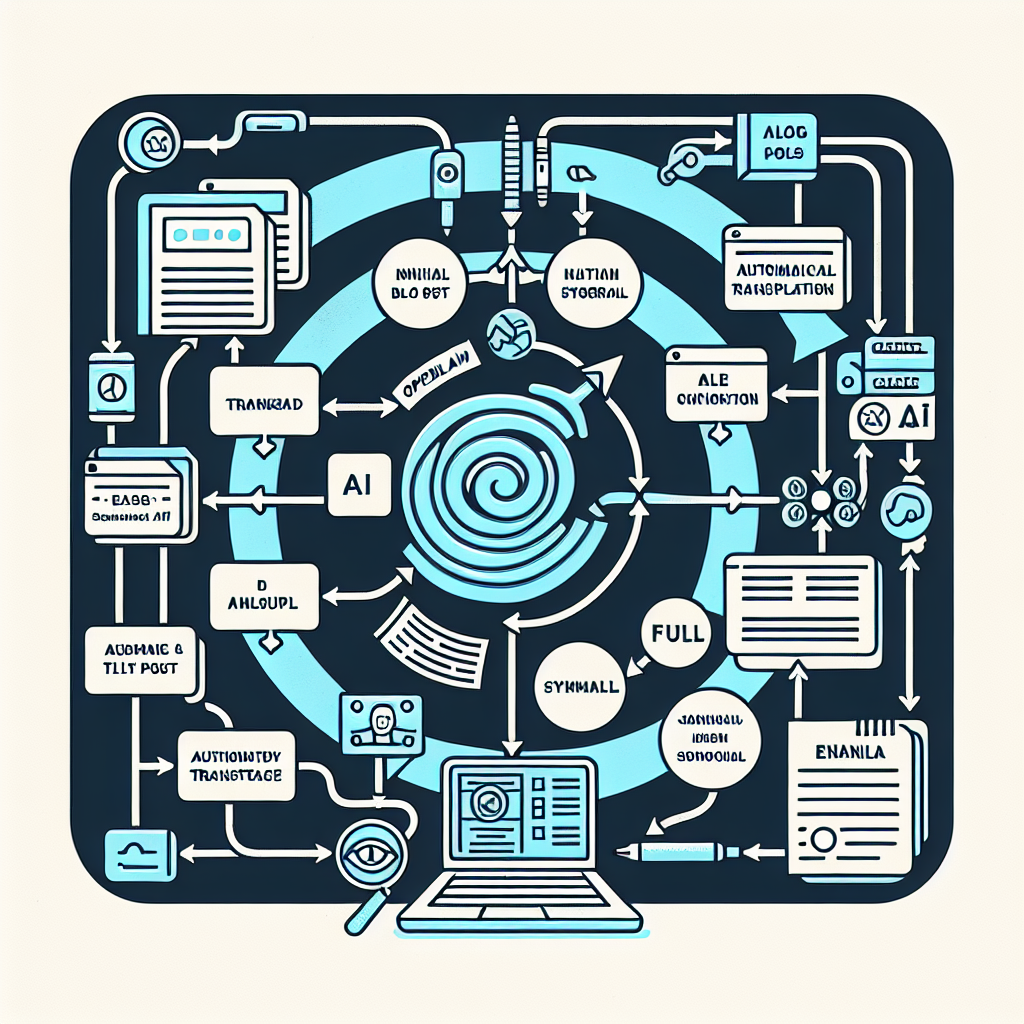
Part 61 of our OpenClaw series delves deep into designing and implementing AI-driven automated multilingual WordPress content management workflows. The focus is on practical integration techniques, translation quality management, and maintaining SEO effectiveness.
Why Automate Multilingual Content Management?
- Efficiency: Automate translation and publishing to reduce manual overhead.
- Consistency: Ensure synchronized updates across all language versions.
- Scalability: Easily add new languages without extra resource strain.
- SEO Benefits: Optimize multilingual content for search engines in each locale.
Core Components of OpenClaw Multilingual Automation Workflows
Successful multilingual content automation involves several components working in concert:
- AI Translation Engines: Integration with services like Google Translate API, DeepL, or custom AI models.
- Content Synchronization: Mechanisms to detect changes and propagate them across language versions.
- SEO Optimization: Automated hreflang tag insertion, localized meta tags, and sitemap management.
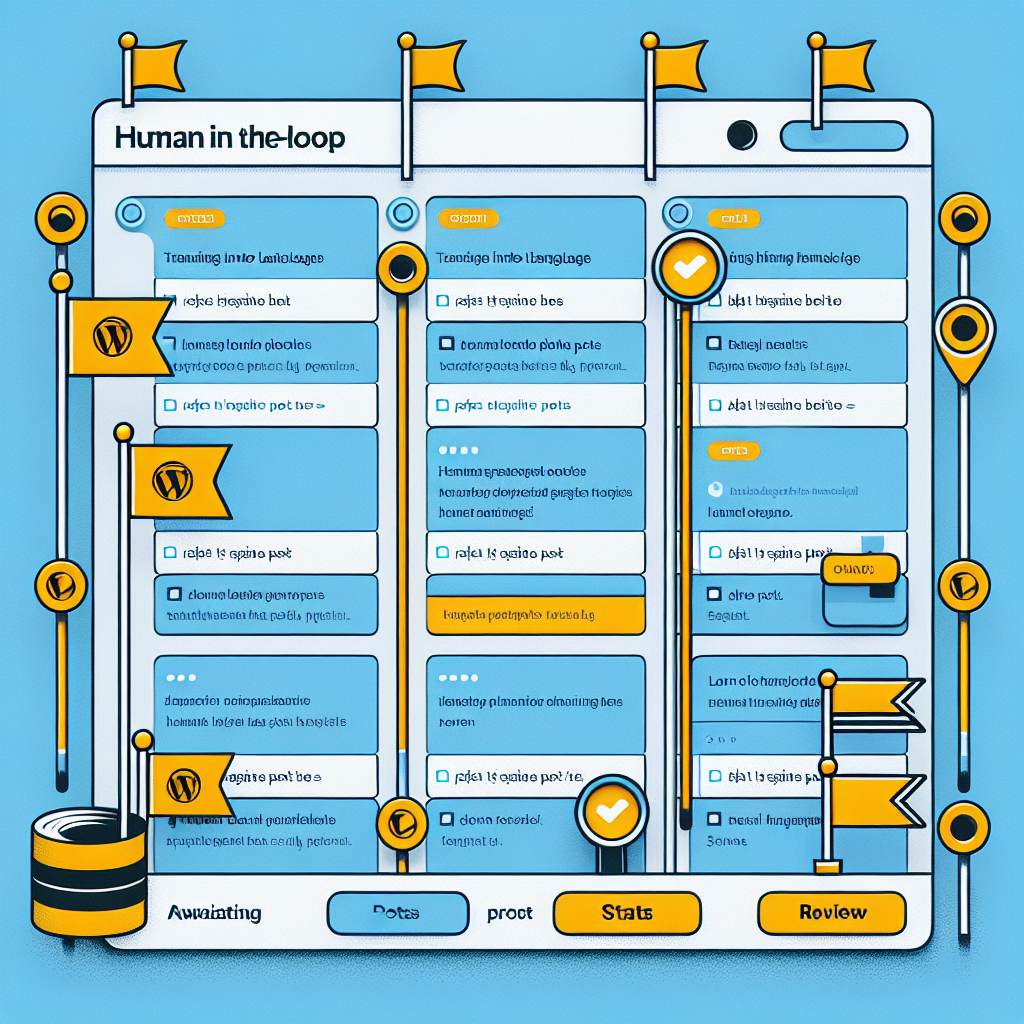
- Human-in-the-Loop Editing: Workflow stages that allow editors to review AI translations before publishing.
Step-by-Step Implementation Guide
1. Setting Up Multilingual Infrastructure in WordPress
Begin by selecting a suitable multilingual plugin, such as WPML or Polylang, that supports programmatic content management through APIs. Configure languages and content structure carefully to allow smooth AI-driven updates.
2. Integrating AI Translation Services with OpenClaw Agents
OpenClaw AI agents can be configured to interact with translation APIs. Here is a practical example using the DeepL API:
const translateContent = async (text, targetLang) => {
  const response = await fetch('https://api.deepl.com/v2/translate', {
    method: 'POST',
    headers: { 'Content-Type': 'application/x-www-form-urlencoded' },
    body: new URLSearchParams({
      auth_key: 'YOUR_DEEPL_API_KEY',
      text: text,
      target_lang: targetLang.toUpperCase()
    })
  });
  const data = await response.json();
  return data.translations[0].text;
};
OpenClaw agents can orchestrate calls like this within content update workflows, translating new or updated posts automatically.
3. Automating Content Synchronization Across Languages
To ensure consistency, OpenClaw can monitor the default language posts for changes using WordPress REST API hooks or webhooks, then trigger translation and update processes for corresponding language posts.
Example workflow:
- Detect post update event in the primary language.
- Extract updated content sections for translation.
- Call translation API via OpenClaw agent.
- Update translated posts via WordPress API.
- Notify editors if human review is required.
4. Implementing Human-in-the-Loop Translation Review
While AI translations are increasingly accurate, human review ensures quality and brand voice consistency. OpenClaw workflows can include a review queue where editors approve or edit translations before publication.
Use a status flag in post metadata to track translation states like pending_review, approved, or needs_edit. The AI agent can halt publishing until approval is received.
5. Automating SEO Optimizations for Multilingual Content
Proper SEO setup is essential for multilingual sites. OpenClaw can automate:
- hreflang Tags: Dynamically generate and inject hreflang tags into page headers to guide search engines.
- Localized Meta Tags: Automatically translate and optimize meta titles and descriptions.
- Multilingual Sitemaps: Generate language-specific sitemap entries to improve indexing.
Practical Example: Automating a Blog Post Translation Workflow
Consider a blog site with English as the primary language and Spanish and French as target languages.
- An editor publishes a new post in English.
- OpenClaw detects the new post via WordPress REST API webhook.
- The AI agent extracts the post content and calls DeepL API for Spanish and French translations.
- Translated content is saved as draft posts in respective languages.
- Notification emails are sent to bilingual editors for review.
- Once approved, OpenClaw publishes the translated posts and updates hreflang tags automatically.
Challenges and Best Practices
Handling Complex Content Types
Content with embedded shortcodes, custom fields, or multimedia requires special parsing before translation. Use OpenClaw to preprocess content, extracting translatable text while preserving code or media references.
Maintaining SEO Integrity
Ensure translated meta data is also optimized for target languages’ keywords. AI tools can assist in generating localized SEO content, but human expertise remains valuable.
Performance Considerations
Automated translation and synchronization workflows can be resource intensive. Schedule batch processing during off-peak hours and monitor API usage quotas.
Advanced Extensions
AI-Powered Content Localization Beyond Translation
Go beyond literal translation by using AI agents that adapt content tone, format, and cultural references dynamically for each locale.
Real-Time Multilingual Chatbot Integration
Integrate OpenClaw with AI chatbots that interact with visitors in multiple languages, enhancing customer support and engagement globally.
Summary
Integrating AI-driven automated multilingual content management with OpenClaw empowers business owners and technical operators to scale their WordPress sites globally with minimal manual effort. By combining AI translation, content synchronization, SEO automation, and human review workflows, you can deliver consistent, high-quality multilingual experiences.
For further insights on AI-driven WordPress automation, check out Part 60 on content generation and SEO optimization, and Part 59 for user behavior analytics and personalized marketing workflows.