


OpenClaw AI Automation: Implementing AI-Driven Automated WordPress User Role and Permission Management (Part 65)
April 17, 2026
OpenClaw AI Automation: Enhancing AI-Driven Automated WordPress Analytics and Business Intelligence Workflows (Part 66)
April 18, 2026Introduction
Building on previous parts where we covered user role automation, security, and site health, Part 66 dives deep into advanced automated content workflow integration using OpenClaw AI. Content workflows in WordPress often involve multiple stages — creation, editing, approval, publishing, and distribution. Automating and optimizing these stages can save significant time and improve content quality.

Understanding Content Workflow Automation with OpenClaw AI
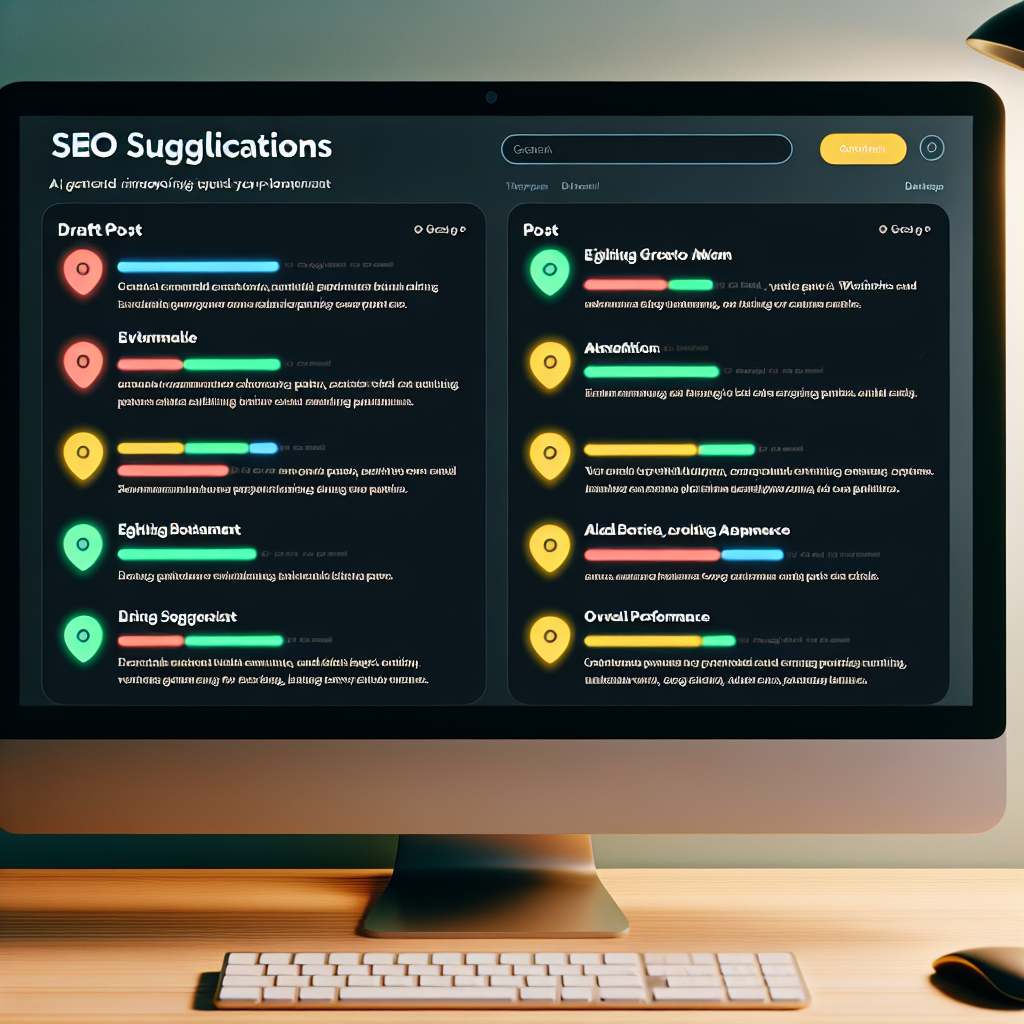
Content workflow automation refers to the use of AI agents to manage and streamline the lifecycle of digital content. OpenClaw facilitates this by orchestrating AI agents that perform tasks such as generating drafts, SEO optimization, plagiarism checks, editorial suggestions, scheduling, and multi-channel syndication.
Key Workflow Stages to Automate
- Content Ideation: AI agents analyze trending topics, keyword opportunities, and competitor content to suggest ideas.
- Content Generation: Drafting initial content using natural language generation models tuned for your niche and tone.
- Content Review and Enhancement: Grammar and style checks, SEO audits, and fact verification.
- Approval and Scheduling: Automated notifications for editors, version control, and scheduling posts at optimal times.
- Multi-Channel Publishing: Syndicating content automatically to social media, newsletters, and partner sites.
Implementing Advanced Content Workflow Automation with OpenClaw
Let’s explore a detailed example of setting up an end-to-end automated content workflow using OpenClaw’s AI agents within a WordPress environment.
1. Content Ideation and Topic Generation
OpenClaw agents can be configured to scan keyword tools, Google Trends, and social media hashtags daily. Using API integrations, the AI builds a prioritized list of content topics based on search volume, relevance, and competitor gaps.
// Pseudocode example for topic ideation agent
function fetchTrendingTopics() {
  trendingData = getGoogleTrends('your-niche');
  competitorAnalysis = analyzeCompetitorsContent();
  topics = mergeAndRank(trendingData, competitorAnalysis);
  return topics;
}
These topics are then fed into a WordPress content calendar plugin, creating draft posts with suggested titles and metadata automatically.
2. AI-Powered Content Drafting
Once topics are assigned, an OpenClaw AI writing agent generates detailed blog post drafts. It leverages custom prompts to maintain brand voice and SEO guidelines.
For example, a prompt might instruct the AI: “Write a 1500-word article on ‘The Future of AI in Small Business’ using a professional tone, including subheadings and bullet points.”
The generated content is saved as a draft post in WordPress, tagged with relevant keywords and categories.
3. Automated Content Review and SEO Optimization
After draft creation, a content review agent scans the draft for grammar, readability, and SEO compliance.
- Grammar and Style: Integration with language tools like Grammarly or LanguageTool APIs to correct errors and improve flow.
- SEO Auditing: Checking keyword density, meta tags, alt text on images, internal linking suggestions, and readability scores.
- Plagiarism Check: Using external services through API to ensure originality.
The AI then annotates the WordPress post editor with suggestions or directly applies fixes where configured.
4. Editorial Approval and Scheduling Automation
OpenClaw can trigger notifications to editors or content managers via email, Slack, or WhatsApp when a draft is ready for review.
Editors can approve, request changes, or schedule posts directly within WordPress. Approved posts automatically enter the scheduling queue, with OpenClaw optimizing publish times based on audience engagement data.
5. Multi-Channel Syndication and Repurposing
Upon publishing, OpenClaw agents take over to syndicate content to connected channels:
- Social Media: Posting teasers and links on Facebook, Twitter, LinkedIn with AI-generated captions and hashtags.
- Email Newsletters: Creating summary snippets for campaign emails.
- Content Partners: Distributing articles to partner websites or content hubs via RSS or API.
This multi-channel approach maximizes reach and drives traffic back to the WordPress site.
Technical Implementation Tips
To implement this advanced workflow, consider the following practical points:
API Integrations
- Use WordPress REST API to create and update posts programmatically.
- Integrate third-party AI services like OpenAI or custom-trained models for content generation and review.
- Connect with SEO plugins (e.g., Yoast SEO) via their APIs to automate meta and schema markup adjustments.
- Leverage webhook triggers for real-time notifications and workflow transitions.
Security and Permissions Management
Ensure AI agents have carefully scoped API credentials to prevent unauthorized data access or unintended content publication.
Use WordPress nonce and OAuth mechanisms to secure REST API endpoints involved in automation.
Monitoring and Logging
Implement detailed logging of AI actions in WordPress to audit content changes, approvals, and publishing schedules.
Set up monitoring alerts for failures or inconsistencies in publishing workflows.
Case Study: Automating a Tech Blog’s Weekly Content Pipeline
A mid-sized technology blog implemented OpenClaw AI-driven automation to streamline their weekly content production:
- Daily AI-driven topic ideation generated 10 potential article ideas ranked by predicted engagement.
- AI agents drafted 3 blog posts per week, cutting down writing time by 60%.
- Automated SEO reviews improved organic traffic by 25% within 3 months.
- Multi-channel syndication increased social media referral traffic by 40%.
- Editors received automatic WhatsApp notifications, speeding up review turnaround.
This example highlights the practical benefits of integrating OpenClaw AI into content workflows.
Conclusion
Advanced AI-driven automated content workflows using OpenClaw can revolutionize how WordPress sites manage content creation, review, and distribution. By leveraging AI at every stage, businesses gain efficiency, consistency, and enhanced SEO results while freeing humans to focus on strategic tasks.
In the next part, we will explore how OpenClaw can be utilized to automate AI-driven personalized marketing campaigns based on content engagement analytics.
Further Reading and Resources
- OpenClaw AI Automation: Building AI-Driven Automated WordPress Content Generation and SEO Optimization Workflows (Part 60)
- OpenClaw AI Automation: Implementing AI-Driven Automated WordPress User Role and Permission Management (Part 65)
- OpenClaw AI Automation: Implementing AI-Driven Automated WordPress Site Health Monitoring and Proactive Issue Resolution (Part 63)