


OpenClaw AI Automation: Advanced AI-Driven Automated Content Curation and Syndication for WordPress (Part 34)
March 29, 2026
OpenClaw AI Automation: Implementing AI-Driven Automated Content Quality Assurance and Compliance for WordPress (Part 35)
March 30, 2026Introduction
Content syndication and distribution are critical components of a successful digital marketing strategy, especially for small businesses and WordPress site owners. Leveraging OpenClaw AI Automation to automate these processes enables businesses to expand their audience reach, improve SEO, and increase engagement without additional manual effort.
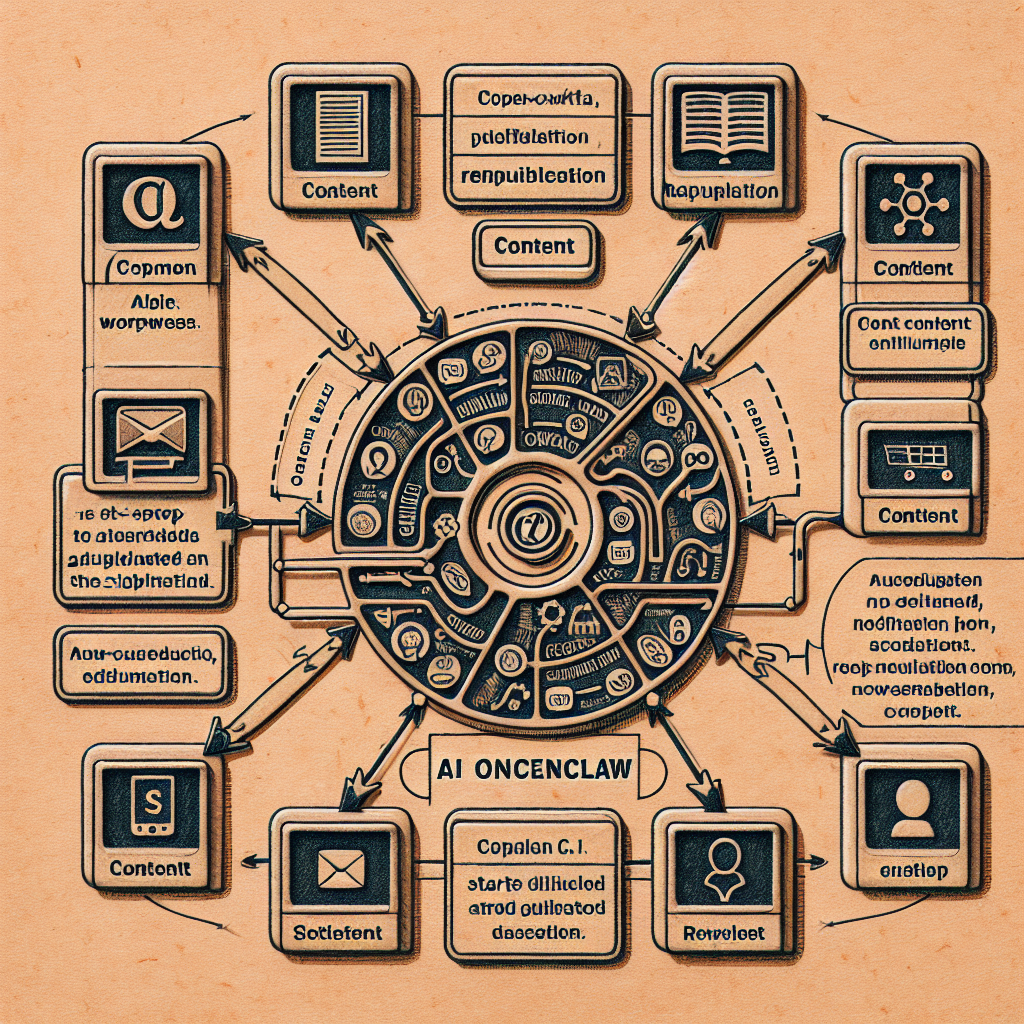
In this installment (Part 34) of the OpenClaw series, we delve into how AI-driven automation can orchestrate efficient, scalable, and intelligent content syndication workflows tailored for WordPress environments. We will cover step-by-step implementation details, practical examples, and optimization tips to harness AI agents for automated content distribution.
Understanding AI-Driven Content Syndication and Distribution

Content syndication involves republishing your content on third-party platforms, while distribution refers to sharing content across multiple channels such as social media, newsletters, and partner websites. Traditional syndication requires manual effort to identify platforms, format content, and schedule postings.
OpenClaw AI Automation introduces AI agents capable of:
- Identifying optimal syndication channels based on content type and audience
- Automatically formatting and customizing content for target platforms
- Scheduling and publishing content according to engagement analytics
- Monitoring content performance and adjusting distribution strategies dynamically
Benefits of AI-Driven Syndication
- Scalability: Syndicate content to dozens or hundreds of platforms efficiently.
- Personalization: Customize messages for different audiences automatically.
- Time Savings: Minimize manual content repurposing and posting.
- Data-Driven Optimization: Use AI insights to refine channel selection and timing.
Setting Up OpenClaw AI Agents for Automated Syndication
Before implementing automation, ensure your WordPress site has the necessary OpenClaw AI Automation plugin and API access configured. The following steps outline how to create and configure AI agents for content syndication.
1. Defining Syndication Goals and Channels
Start by identifying the target syndication platforms that align with your business goals. Common choices include:
- Social media platforms (Facebook, Twitter, LinkedIn, Instagram)
- Content aggregators and RSS feed directories
- Newsletter services (Mailchimp, Constant Contact)
- Industry-specific partner blogs or forums
OpenClaw AI can analyze your existing audience data and content topics to recommend the most effective channels automatically.
2. Creating AI Syndication Agents
Within the OpenClaw dashboard, create an AI agent with a syndication role. Configure the agent with the following parameters:
- Content Source: WordPress posts, custom post types, or selected categories
- Target Channels: API integrations or webhook URLs for syndication platforms
- Content Formatting Rules: Templates for excerpts, hashtags, image resizing, etc.
- Publishing Schedule: Frequency, time windows, and priority rules
- Monitoring Metrics: Engagement tracking, click-through rates, and feedback loops
Example JSON configuration snippet for a syndication agent might look like this:
{
  "agent_name": "Content Syndicator",
  "role": "syndication",
  "content_source": "wordpress_posts",
  "channels": ["facebook_api", "twitter_api", "newsletter_api"],
  "formatting": {
    "excerpt_length": 150,
    "hashtags": ["#smallbusiness", "#AIautomation"],
    "image_size": "1200x630"
  },
  "schedule": {
    "frequency": "daily",
    "time_window": "9:00-17:00",
    "priority": "high"
  },
  "monitoring": {
    "track_clicks": true,
    "track_shares": true
  }
}
3. Integrating Platform APIs
OpenClaw supports integration with major social media and newsletter APIs. Proper authentication (OAuth tokens or API keys) must be configured. For custom or partner sites without APIs, webhooks or RSS feed submissions can be used.
For example, to integrate with Twitter’s API for automated posting, OpenClaw agents use OAuth 2.0 credentials to authenticate and publish tweets with links to the original WordPress content.
Automating Content Adaptation for Different Channels
One of the challenges in syndication is tailoring content to platform-specific formats and audience expectations. OpenClaw AI agents utilize natural language generation (NLG) and copy adaptation to reformat and rephrase content snippets accordingly.
Example: Social Media Post Adaptation
Suppose your original WordPress article is a long-form blog post about AI automation benefits for small businesses. The AI agent can generate:
- Facebook Post: A catchy headline, brief summary, and call-to-action with a link and an eye-catching image.
- Twitter Thread: Multiple concise tweets highlighting key points with relevant hashtags.
- LinkedIn Update: Professional tone summary emphasizing business outcomes and a link to the post.
Example Implementation
Using OpenClaw’s built-in NLG module, the agent can execute a prompt pipeline:
Input: Blog post content + target platform (e.g., Twitter)
Process: Summarize key points, generate hashtags, format within 280 characters
Output: Tweet text ready for posting
Scheduling and Optimizing Syndication Timing
Timing is crucial for maximizing content visibility. OpenClaw AI agents analyze historical engagement data and platform-specific peak times to schedule posts automatically.
Adaptive Scheduling Algorithm
- Analyze past post performance by hour and day
- Identify time slots with highest user activity and engagement
- Adjust future post schedules dynamically based on real-time analytics
This scheduling intelligence ensures content syndication aligns with audience behavior patterns, improving reach and interaction.
Monitoring Syndication Performance and Feedback Loops
Continuous monitoring allows the AI agents to learn and optimize syndication strategies. Key performance indicators (KPIs) tracked include:
- Click-through rates (CTR)
- Shares and re-posts
- Comments and reactions
- Conversion metrics (if integrated with CRM or analytics)
OpenClaw agents use these metrics to refine content selection, channel prioritization, and scheduling in iterative feedback loops.
Practical Example: Automating Syndication for a Small Business Blog
Consider a small business running a WordPress blog about sustainable home products. With OpenClaw AI automation, they set up syndication agents to:
- Identify new blog posts tagged with “sustainability”
- Automatically format posts for Facebook, Instagram Stories, and an email newsletter
- Schedule postings during weekday evenings when their audience is most active
- Track engagement and adjust frequency to avoid audience fatigue
This setup frees up the business owner’s time and ensures consistent, optimized content distribution across multiple channels.
Implementation Tips and Best Practices
- Start Small: Begin syndication with a few key platforms and expand as you gather data.
- Customize Formatting: Use AI agent templates to tailor content tone and style per channel.
- Leverage Analytics: Integrate Google Analytics and social media insights for comprehensive monitoring.
- Respect Audience Preferences: Avoid overposting by setting sensible frequency caps.
- Maintain Content Quality: Use AI to enhance, not degrade, original content integrity.
Conclusion
Automating content syndication and distribution with OpenClaw AI Automation empowers WordPress site owners and small businesses to amplify their digital presence efficiently. By harnessing intelligent AI agents for channel selection, adaptive content formatting, scheduling, and performance monitoring, businesses can achieve scalable and optimized content outreach with minimal manual effort.
Next steps for readers include exploring OpenClaw’s API integrations for your specific channels and experimenting with agent configurations to tailor syndication workflows to your unique business needs.
Related Resources
- OpenClaw AI Automation: Leveraging AI-Driven Automated Content Generation and Editorial Workflows for WordPress (Part 33)
- OpenClaw AI Automation: Advanced AI-Driven Automated Workflow Analytics and Optimization for Small Businesses (Part 30)
- OpenClaw AI Automation: Optimizing AI Agent Collaboration and Workflow Orchestration for Enhanced Business Efficiency (Part 29)